
2025 Sheet Metal Fabrication Process: The Beginner's Guide
Table of Contents
Introduction
Welcome to the exciting world of metal fabrication! If you’re new to the industry, the sheer scope of techniques and machinery involved in the sheet metal fabrication process can seem daunting. However, understanding the fundamentals is the first step towards mastering this critical manufacturing discipline. As we step into 2025, advancements continue to reshape the landscape of how we process and form sheet metal, making it more precise, efficient, and automated than ever before. This guide is designed to equip beginners with a solid understanding of the sheet metal fabrication process, highlighting key techniques and the modern innovations driving the industry forward.
What is Sheet Metal Fabrication Process?
At its core, the sheet metal fabrication process involves transforming flat sheets of metal into functional products or parts. This can range from simple brackets and panels to complex structural components used in diverse sectors like construction, automotive, and solar energy. It encompasses a series of operations that cut, bend, and assemble sheet metal, relying on specialized tools and machinery. The goal is to produce durable, accurate, and often lightweight components that meet specific design and engineering requirements. Precision is paramount, with leading experts in the field, like Jinbolida Precision Machinery, achieving nanometer-level precision transmission, a testament to the sophistication of modern sheet metal fabrication.
Why is the Sheet Metal Fabrication Process Important?
The importance of the sheet metal fabrication process cannot be overstated. It is a foundational technology that underpins countless industries globally. From the structural integrity of a building to the efficiency of a solar power plant, components produced through sheet metal fabrication are everywhere. Modern advancements, driven by solution providers, have led to “Smart Production Lines” with “Global Impact,” making manufacturing faster, more reliable, and capable of serving over 120 countries. The ability to produce high-strength, precision parts efficiently directly contributes to innovation and sustainability in manufacturing.
Key Stages of the Sheet Metal Fabrication Process
The sheet metal fabrication process can be broken down into several distinct stages, each requiring specific tools and techniques. Understanding these stages is crucial for anyone looking to grasp the essence of metalworking.
Material Preparation in Sheet Metal Fabrication Process
The initial phase of any sheet metal fabrication process involves preparing the raw material. This typically means taking large sheets of metal and cutting them down to the required sizes and shapes.
Shearing
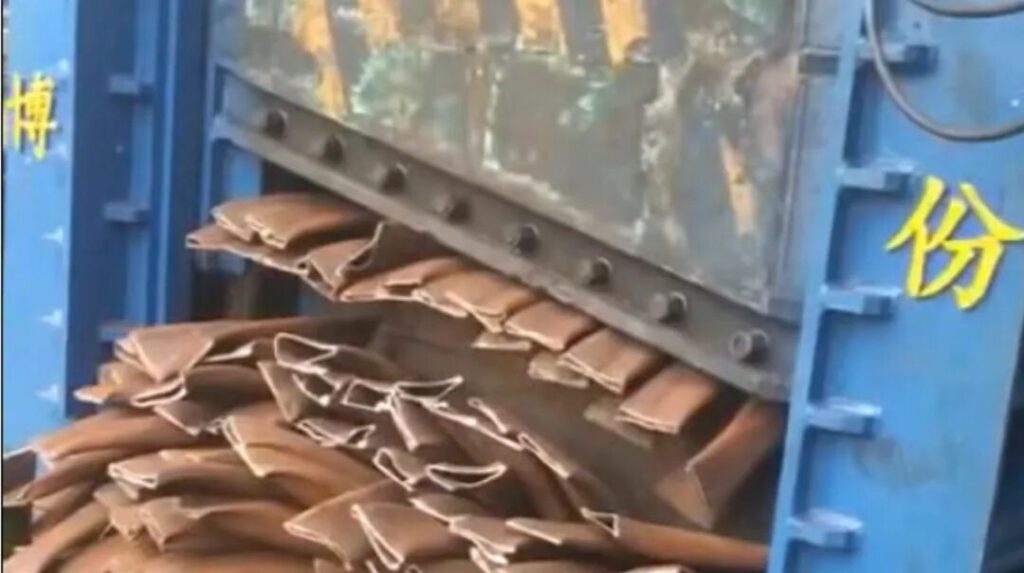
Shearing is one of the most basic steps. It involves cutting large metal sheets into rectangular workpieces using a specialized shear machine. This process is often the first cut for many components.
Blanking and Cutting
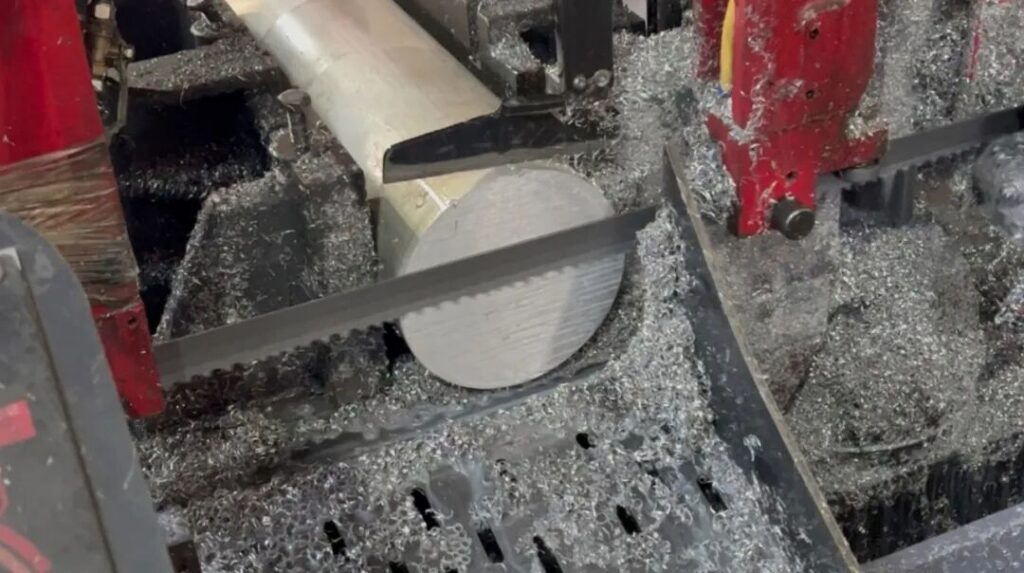
Blanking and cutting refer to processes where material is either cut by laser, plasma, waterjet, or using a CNC punching machine. This allows for complex shapes to be cut from the sheet metal with high accuracy.
Stamping (Blanking/Piercing)
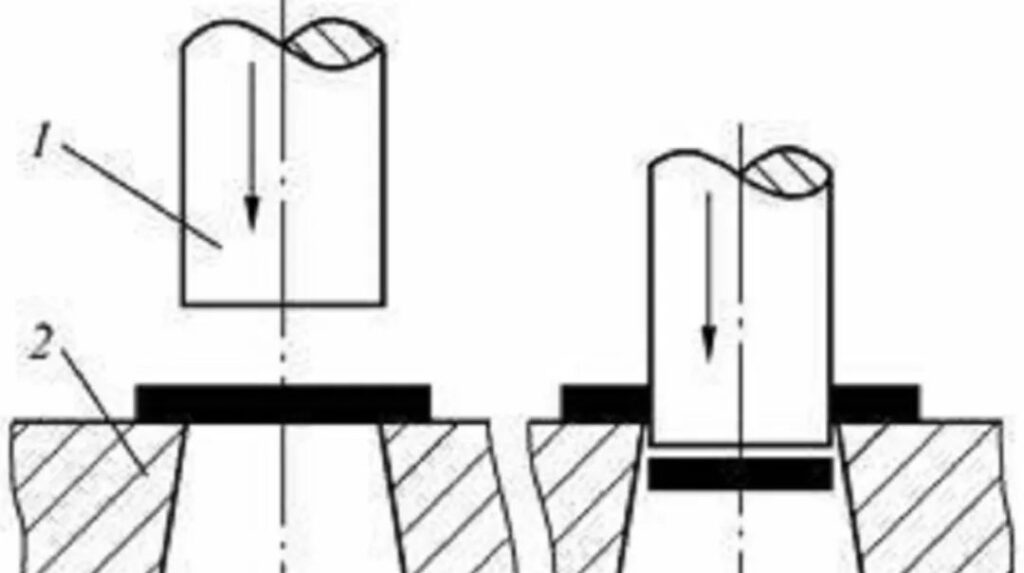
Stamping, specifically blanking, is the process of using a die on a press to punch out the desired product shape from a sheet. Piercing is similar but creates holes within the blank, rather than defining its outer perimeter.
Forming and Shaping in Sheet Metal Fabrication Process
Once the material is prepared, the next phase focuses on giving the sheet metal its three-dimensional form. This often involves bending, shaping, and sometimes drawing the metal.
Bending
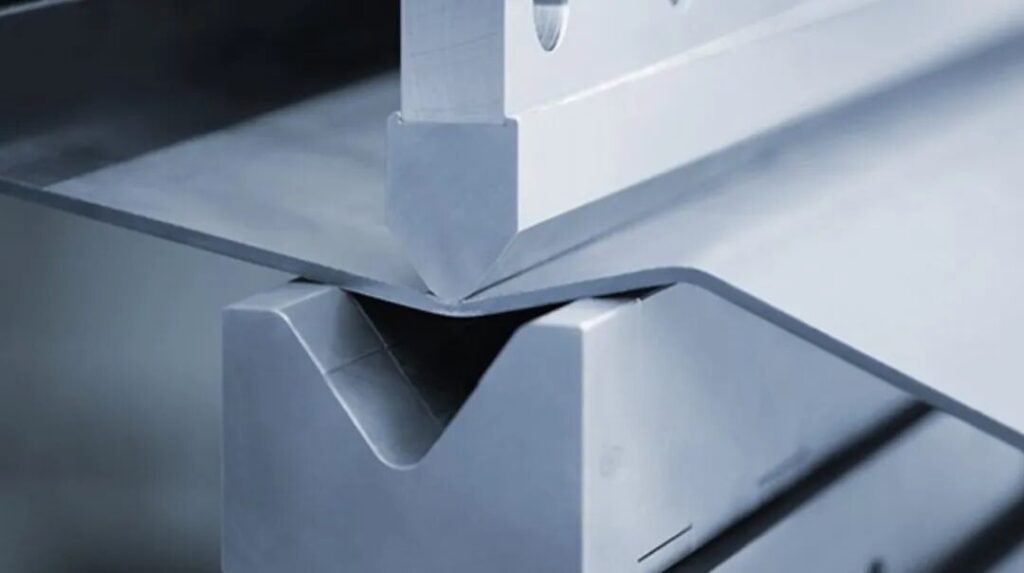
Bending is a common technique where a press brake is used to form a workpiece into an angle or a curve. This is fundamental for creating flanges, structural components, and enclosures.
Forming (General)
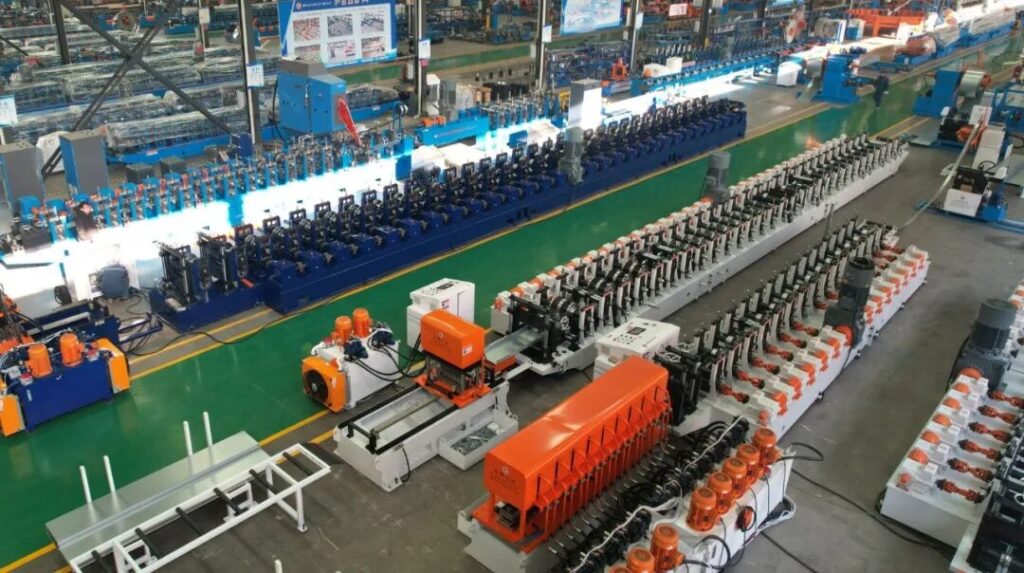
This broader term refers to using dies on a press or other equipment to deform a workpiece into a specific shape. This can include anything from creating simple contours to more complex geometries. Advanced forming machines, like W, L, Z-shaped steel forming machines, construction type forming machines, and solar photovoltaic bracket forming machines, showcase the specialized nature of this step.
Hole Drawing (Flanging)
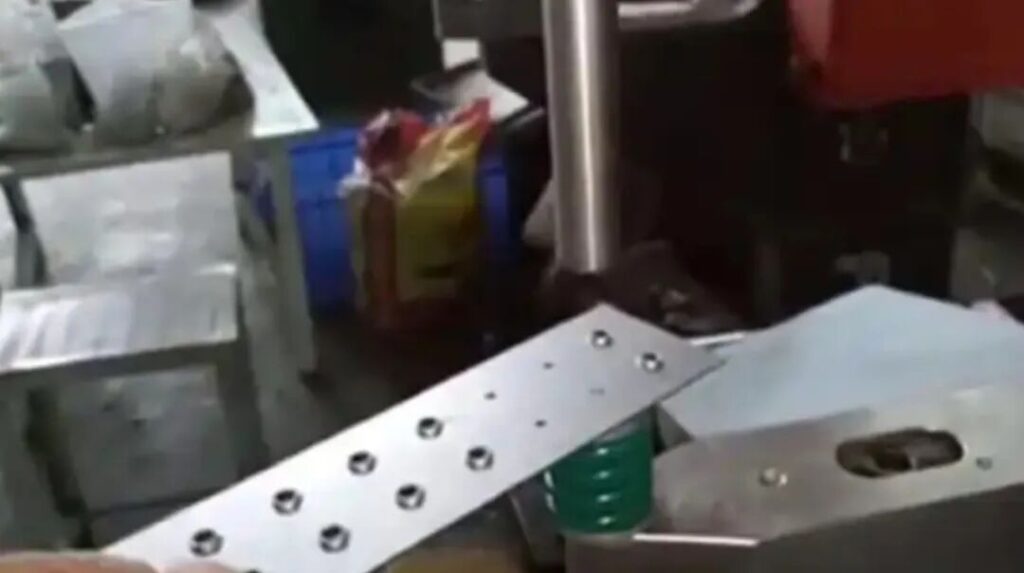
Also known as “flanging” or “beading,” this process uses a die on a press to create a raised edge around a circular hole. It enhances the strength of the hole or prepares it for assembly.
Embossing
Embossing creates a raised or recessed design or text on the surface of the sheet metal using a die. This can be for aesthetic purposes, branding, or to add stiffness to the material.
Joining and Finishing in Sheet Metal Fabrication Process
After the parts are formed, they often need to be joined together or undergo final processing to achieve their intended function and finish.
Tapping
Tapping is the process of creating internal screw threads within a pre-drilled hole in a workpiece. This is essential for components that will be assembled using screws.
Press Riveting
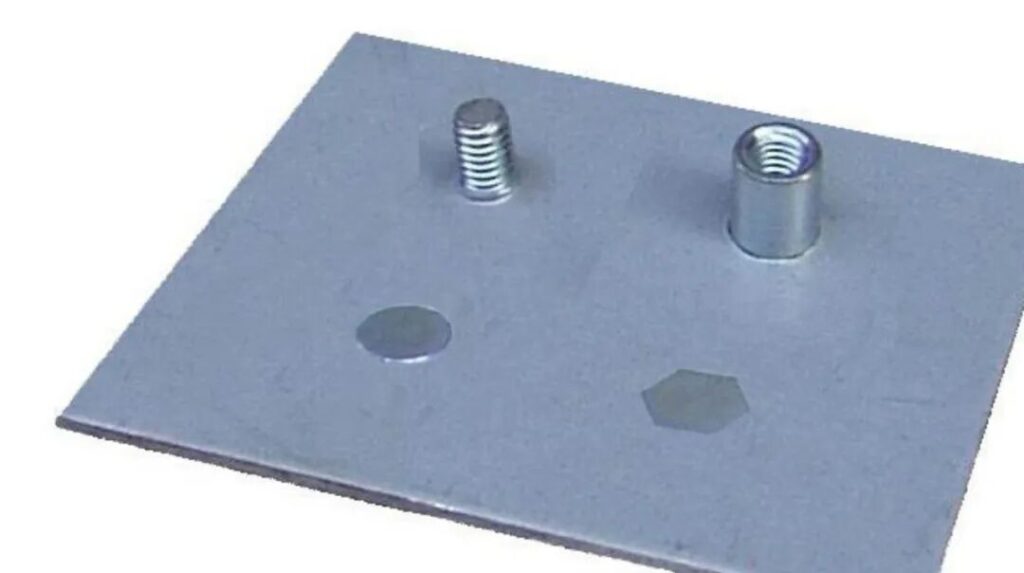
Press riveting involves securely attaching fasteners such as rivet nuts, studs, or standoffs to a workpiece using a punch press or hydraulic press. This creates a strong, permanent attachment point.
Punching (for Holes)
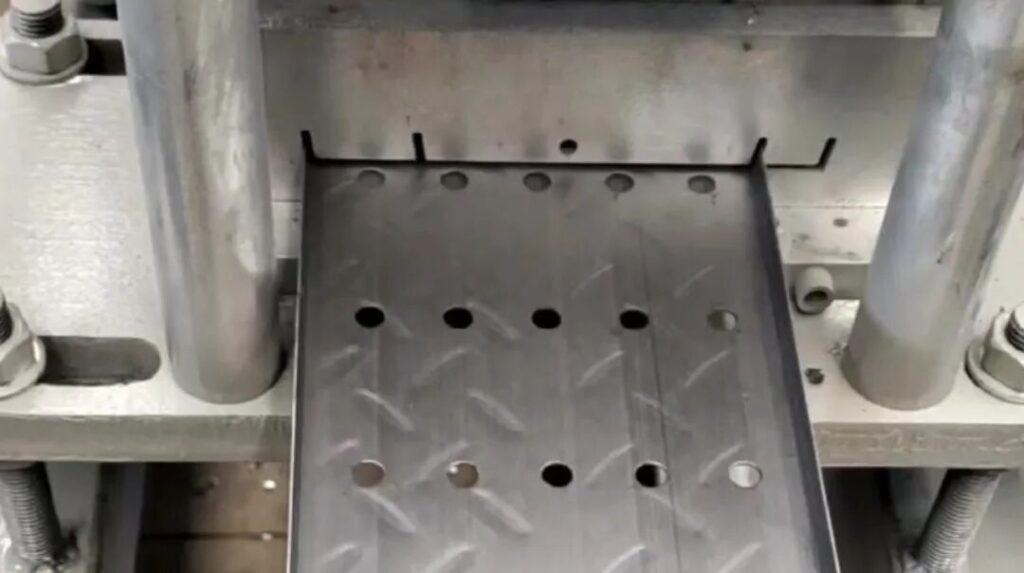
Distinct from blanking, punching primarily refers to creating various shapes of holes in a workpiece using a punch press and a die. This could be for assembly, ventilation, or weight reduction. Automated eight-station punching lines are used for high-efficiency PV bracket production, demonstrating the precision and speed possible.
Riveting
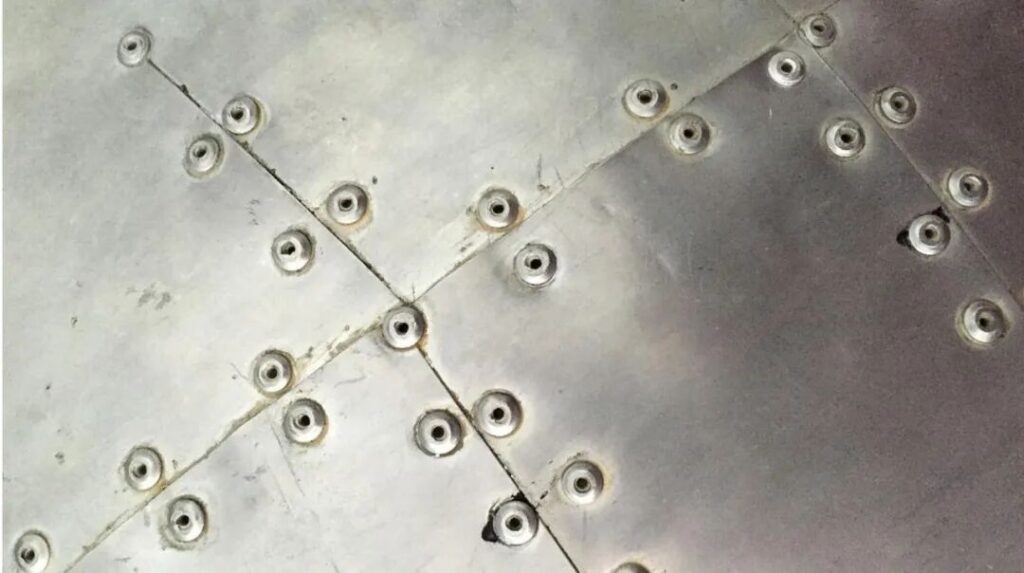
Riveting is a traditional method of joining two or more workpieces permanently together using rivets. For flush surfaces, the workpieces may first undergo countersinking.
Drilling
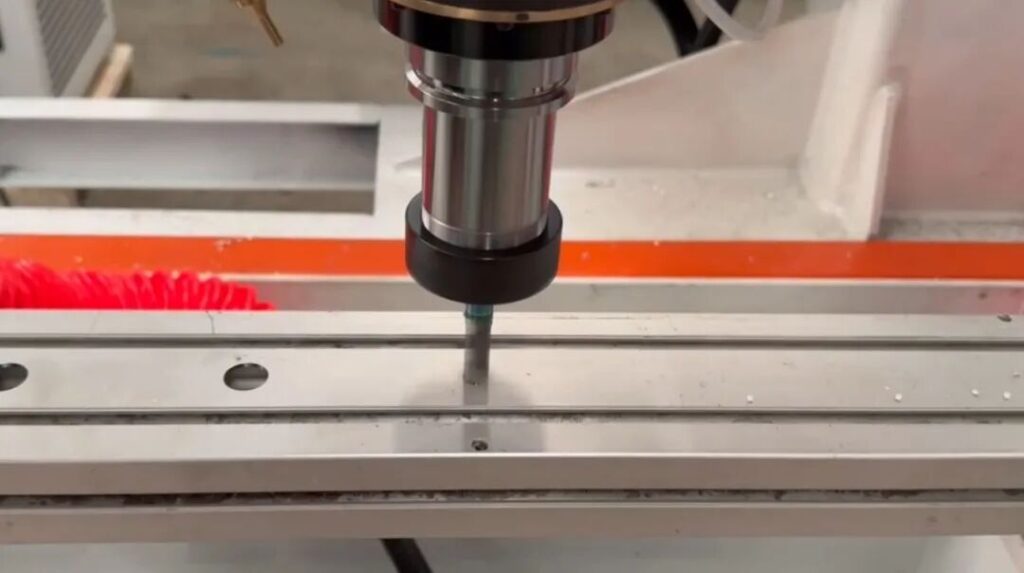
Drilling uses a drill bit on a drill press or milling machine to create precise holes in a workpiece. This is often used when punch presses cannot achieve the required accuracy or for thicker materials.
Notching
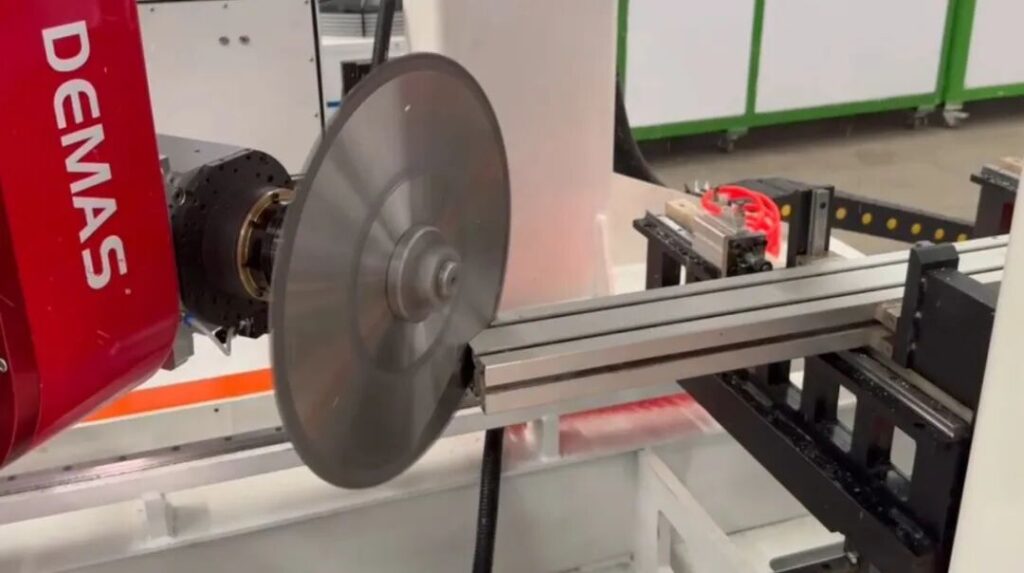
Notching involves cutting away material from the edge or corner of a workpiece, typically using a die on a press. This is done to create clearances, specific corner shapes, or for aesthetic reasons.
Here is a summary of common sheet metal fabrication processes:
| Process Name | Description | Key Application |
| Shearing | Cutting flat sheet metal into rectangular pieces. | Initial size reduction and material preparation. |
| Blanking & Cutting | Punching out a specific shape or using advanced methods (laser, plasma) to cut contours. | Defining the basic outline of a part. |
| Bending | Forming the metal into an angle or curve. | Creating structural elements, enclosures, and flanges. |
| Forming (General) | Deforming sheet metal into complex three-dimensional shapes. | Shaping components with specific designs, such as auto parts. |
| Tapping | Creating internal screw threads in a hole. | Preparing for threaded fasteners. |
| Hole Drawing (Flanging) | Forming a raised collar or flange around a pre-punched hole. | Strengthening holes, providing bearing surfaces, or connection points. |
| Press Riveting | Attaching self-clinching fasteners (nuts, studs) securely into sheet metal. | Creating strong, integrated threaded interfaces. |
| Punching | Creating various types of holes or cutouts in the sheet metal. | Functional openings, weight reduction, component assembly points. |
| Riveting | Permanently joining two or more pieces of metal with rivets. | Assembling components where welding is not feasible or desired. |
| Embossing | Creating a raised design or text on the surface of the metal. | Adding stiffness, decorative elements, or identification marks. |
| Drilling | Creating precision holes using a rotating drill bit. | For very precise holes, or thicker materials where punching is not suitable. |
| Notching | Cutting a specific shape, usually a V- or U-shape, from the edge or corner of a sheet. | Creating clearances, interlocks, or specific corner geometries. |
Advancements in Sheet Metal Fabrication Process in 2025
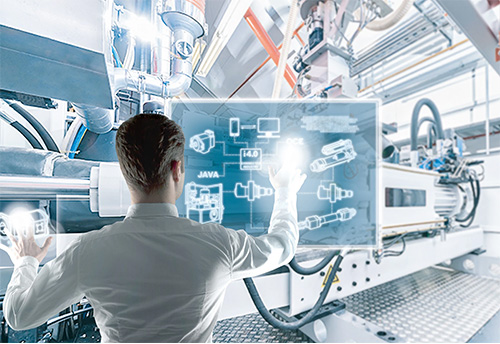
The year 2025 brings with it significant advancements, particularly in automation and precision. Companies are leveraging cutting-edge technology to enhance their sheet metal fabrication process capabilities.
Smart Factory Solutions for Sheet Metal Fabrication Process
The concept of a “Smart Factory” is no longer futuristic; it’s a reality. Solutions involve intelligent manufacturing lines that integrate automated forming, punching, and assembly. These systems are designed for high-speed, high-precision manufacturing, significantly improving efficiency and reducing manual labor. For instance, intelligent manufacturing lines for photovoltaic supports can quickly switch between C and Z steel profiles, and automatic punching ensures fast and accurate production, enhancing efficiency with minimal manual intervention. This level of automation is crucial for meeting the demands of global industries.
Precision and Efficiency in Sheet Metal Fabrication Process
Precision is a cornerstone of modern manufacturing. In 2025, the sheet metal fabrication process benefits from technologies that achieve unprecedented levels of accuracy. For example, machine groups producing steel formwork can achieve an r-angle accuracy of less than 0.5°, length accuracy of less than 0.2 mm, and hole-to-hole accuracy of ±0.2 mm. This represents a tenfold improvement over the industry standard of 1-2 mm. Such high precision leads to superior quality products, smooth surfaces without waves, and easy operation.
Furthermore, patented products and processes often boast high precision, high efficiency, and a long mold life, paired with low energy consumption and faster delivery times. Cloud transmission is even available to record production quantity and equipment energy consumption in real time, further optimizing the sheet metal fabrication process.
Future Outlook for Sheet Metal Fabrication Process
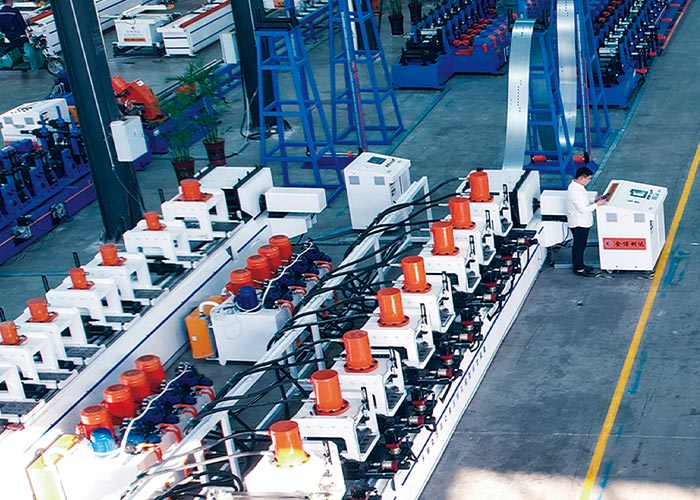
The future of the sheet metal fabrication process is bright, characterized by continuous innovation and increasing integration of advanced technologies. With global demand for clean energy rising, the need for efficient and scalable solar infrastructure, largely dependent on precise PV bracket production, will only grow. Similarly, the construction and automotive industries continue to demand high-strength, precision-formed components, pushing the boundaries of what the sheet metal fabrication process can achieve. The focus will remain on enhancing automation, improving material utilization, and further refining precision to meet the evolving needs of a dynamic global industrial chain.
Conclusion
The journey into the sheet metal fabrication process, though initially complex, reveals a fascinating world of engineering and innovation. From fundamental cutting and bending techniques to the advanced, automated smart factory solutions of 2025, the industry is constantly evolving. A strong grasp of these processes is indispensable for anyone entering or working within manufacturing. With capabilities spanning from precision parts to complete digital factory solutions, the sheet metal fabrication process remains at the heart of modern industrial progress, continually driving towards greater efficiency, accuracy, and global impact.
FAQ
What materials are commonly used in the sheet metal fabrication process?
Common materials include various types of steel (such as carbon steel, stainless steel, galvanized steel), aluminum, copper, and brass. The choice of material depends on the application’s specific requirements, such as strength, corrosion resistance, weight, and cost.
How does automation impact the sheet metal fabrication process?
Automation significantly enhances the sheet metal fabrication process by increasing speed, precision, and consistency while reducing labor costs and potential for human error. Automated systems, like intelligent manufacturing lines and integrated punching and forming lines, enable continuous, high-volume production and allow for rapid switching between different product specifications.
What are the benefits of nanometer-level precision in sheet metal fabrication process?
Nanometer-level precision, a core technology for leaders in digital factory solutions, offers immense benefits, particularly in industries requiring extremely tight tolerances. It ensures superior accuracy in part dimensions, improved fit and finish for assemblies, reduced material waste due to fewer errors, and enhanced product performance and reliability. This high level of precision allows for the creation of components that meet the most demanding engineering specifications.
If you enjoyed this article on Jinbolida’s smart manufacturing solutions and digital factory expertise, don’t forget to join us on social media for more industry insights, updates, and community discussions. Jinbolida specializes in providing smart production lines such as Steel Formwork Production Lines, Photovoltaic Equipment Production Lines, and High-Speed Tube Manufacturing Equipment, leveraging core technologies like nanometer-level precision transmission.
• 📘 Facebook – Connect with us here for the latest on our smart production lines and global impact: https://www.facebook.com/profile.php?id=61577965371544
• 📱 WhatsApp – Feel free to inquire about our customized production line design solutions and high-efficiency equipment at any time: https://wa.me/8613335170705
• ▶️ YouTube – Watch demonstrations of our automated forming, punching, and assembly lines, and explore our applications in Construction and Steel Structure, Photovoltaic and Solar Energy, and more: https://www.youtube.com/@JINBOLIDA-d3c
Let’s keep exploring the boundless possibilities of smart manufacturing, learning, and growing together. With 15 years of experience, over 326 patents, and serving 120+ countries, Jinbolida continues to drive innovation in smart equipment. Thanks for reading, and see you in the next post! 🚀
 English
  Arabic
  Russian
  Spanish
  French