
4 Powerful Butt Welding Machines Tips for Beginners
Table of Contents
Introduction
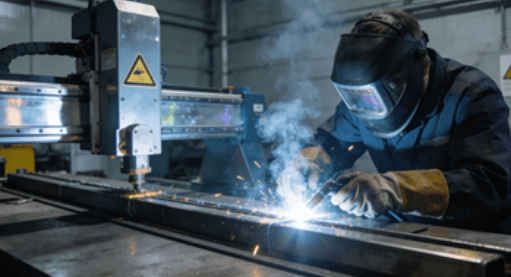
A butt welding machine is one of the most essential tools in modern industrial fabrication and piping operations. For beginners, understanding proper techniques, safety measures, and operational strategies is critical for producing high-quality welds and avoiding costly mistakes. Improper use of a butt welding machine can result in weak joints, material wastage, and even safety hazards.
This guide presents four powerful tips for beginners to maximize efficiency, ensure safety, and improve weld quality when using a butt welding machine. In addition to tips, we discuss typical machine settings, practical operational examples, and common mistakes new operators make. By learning these tips, beginners can reduce errors, prevent equipment damage, and gain confidence in handling butt welding machines across various industrial settings.
Understand the Basic Components of a Butt Welding Machine
Before operating a butt welding machine, beginners must familiarize themselves with its primary components. These typically include:
- Heating plates or heating elements
- Clamps or holders for pipe ends
- Alignment and centering tools
- Hydraulic or mechanical control systems
- Control panel with timers, temperature, and pressure settings
Understanding these parts ensures correct operation, reduces the risk of misalignment, and helps prevent equipment damage.
Heating Plates or Heating Elements
The heating plates are responsible for melting the pipe ends to allow fusion. Different materials, such as polyethylene (PE) or polypropylene (PP), require precise temperature control. Beginners must check the temperature settings carefully, as underheating may result in weak joints, while overheating can degrade the material.
Practical Tip: Always preheat the plate and confirm the target temperature with a thermometer or machine sensor before starting welding.
Clamps and Holders for Pipe Ends
Proper clamping is essential to prevent pipe movement during welding. Unstable clamps can lead to misalignment or uneven welds, especially in larger diameter pipes. Beginners should ensure clamps are clean, properly lubricated, and firmly secured before welding.
Alignment and Centering Tools
Misaligned pipe ends are one of the most common causes of defective welds. Using centering tools ensures that pipe ends are flush and aligned correctly. For high-diameter pipes, alignment tools prevent angular deviations, which can reduce weld strength by up to 30%.
Example: On a construction site, a beginner joining 160 mm PE pipes might initially misalign one pipe end. By checking clamp placement and alignment tools, they can correct the positioning before welding, avoiding a defective joint.
Hydraulic or Mechanical Control Systems
Modern butt welding machines use hydraulic or mechanical systems to control pressure and clamp movement. Beginners should learn how to operate these systems correctly and monitor for unusual noises, leaks, or uneven pressure during operation.
Control Panel with Timers, Temperature, and Pressure Settings
The control panel is the central command center of a butt welding machine. Proper use ensures accurate heating, correct welding pressure, and controlled cooling. Beginners must familiarize themselves with timers, pressure gauges, and temperature indicators to prevent over- or under-welding.g clamp placement and alignment tools, they can correct the positioning before welding, avoiding a defective joint.
Follow Correct Welding Procedures
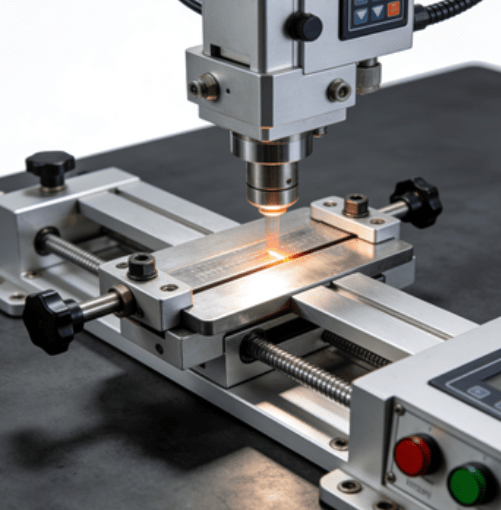
Operating a butt welding machine requires adherence to standardized procedures. Beginners often make mistakes by rushing the process.
Preheating the Pipe Ends
Uniform heating of pipe ends is essential. Heating time depends on pipe diameter and material. Larger diameter pipes require longer heating times to ensure the entire surface reaches the correct fusion temperature.
Tip: Always check that the heating plate is evenly contacting the pipe surface. Uneven heating can lead to weak welds.
Proper Alignment and Clamping
Ensure pipe ends are flush and centered. Even a slight misalignment can compromise the weld. Beginners should use alignment tools to maintain accuracy.
Controlled Welding Pressure
Applying the correct pressure avoids material deformation and ensures proper fusion across the joint. Too much pressure can cause flash extrusion, while too little results in weak welds.
Cooling Time
Allowing the joint to cool under pressure stabilizes molecular bonds and prevents cracks. Beginners should never remove pipes prematurely. Cooling times vary based on diameter, wall thickness, and material.
Common Beginner Mistakes
- Removing pipes too early from clamps
- Applying excessive pressure causing flash extrusion
- Uneven heating of pipe ends leading to weak welds
Following proper procedures ensures consistent weld quality, reduces operational errors, and increases safety.
Choose the Right Butt Welding Machine Settings
Proper machine settings are crucial for achieving high-quality welds. Beginners must understand how to adjust temperature, pressure, time, and cooling.
Heating Temperature
Adjust according to pipe material and diameter. PE, PP, and PVDF require different target temperatures.
Welding Pressure
Depends on wall thickness and pipe diameter. Beginners should monitor pressure gauges and verify that hydraulic or mechanical systems maintain stable pressure during welding.
Welding Time
Larger diameter pipes require longer heating and fusion times. Beginners should follow recommended guidelines and avoid guessing heating durations.
Cooling Time
Sufficient cooling is necessary to prevent deformation and maintain weld strength. Removing pipes too soon is a common beginner mistake.
Typical Butt Welding Machine Parameters
| Parameter | Unit | Typical Range | Notes |
|---|---|---|---|
| Pipe diameter | mm | 20–630 | Depends on machine capacity |
| Heating plate temperature | °C | 210–240 | Adjust for PE/PP material |
| Welding pressure | kPa | 0.1–0.5 MPa | Follow manufacturer guidelines |
| Heating time | sec | 30–300 | Based on diameter |
| Cooling time | min | 5–30 | Do not remove pipe prematurely |
| Alignment tolerance | mm | ±0.5 | Ensures proper weld strength |
| Clamp force | kN | 10–50 | Depends on pipe size |
Proper calibration prevents under- or over-welding, a common issue among beginners.
Maintain Proper Safety Measures
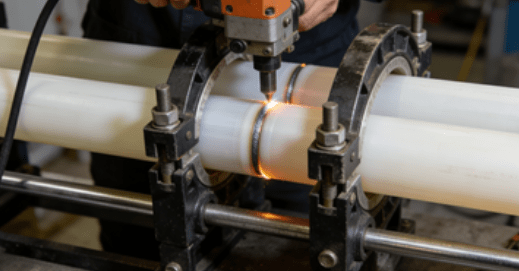
Safety is critical when working with a butt welding machine. Beginners often underestimate the risk of burns or mechanical injury.
Personal Protective Equipment (PPE)
Always wear heat-resistant gloves, face shields, and long sleeves to prevent burns. Footwear should be non-slip and protective.
Avoid Contact with Heating Plates
Even brief contact with heating surfaces can cause severe burns. Beginners should always verify that plates are cooled or powered down before handling.
Organized Workspace
Keep the area free from flammable materials, and ensure tools and accessories are properly stored to prevent accidents.
Emergency Shutdown Procedures
Beginners must know how to stop the machine instantly if malfunctions occur. Using machines with automatic shutdown systems enhances safety.
Example: A new operator left the heating plate on after welding. Implementing a timer or automatic shutdown prevents potential fire hazards.zards.
Regular Maintenance and Inspection
Maintaining a butt welding machine ensures long-term efficiency and safety. Beginners should perform:
Daily Inspections
Check clamps, heating plates, and alignment tools for wear. Replace damaged components immediately.
Periodic Calibration
Ensure heating elements, pressure sensors, and timers work correctly. Calibration prevents welding defects and ensures repeatable results.
Cleaning and Lubrication
Remove debris and lubricate moving parts to prevent mechanical issues. Clean the heating plate surface to avoid contamination of the pipe ends.
Record Keeping
Maintain logs of operational hours, inspections, and maintenance actions. This helps track machine performance and identify trends or recurring issues.understanding of machine operation and potential failure points.
Common Challenges for Beginners
Operating a butt welding machine comes with several challenges:
Uneven Heating
Pipes with different wall thicknesses may heat unevenly. Beginners should monitor temperature closely and adjust heating times as needed.
Pipe Misalignment
Even small deviations in pipe alignment can compromise weld strength. Proper use of clamps and centering tools is essential.
Pressure Management
Applying too much or too little pressure may result in flash extrusion or weak joints. Beginners should follow recommended guidelines and use calibrated pressure gauges.
Environmental Conditions
Wind, dust, and temperature variations affect weld quality, especially for outdoor installations. Beginners should ensure a clean and stable environment to achieve consistent welds.
Tip: Conduct welding in a covered or controlled area whenever possible to minimize environmental interference.
Conclusion
Mastering a butt welding machine as a beginner requires understanding the equipment, following correct procedures, selecting proper machine settings, prioritizing safety, maintaining the machine regularly, and learning from challenges. By applying these tips, new operators can produce high-quality welds, reduce operational errors, and work confidently in industrial environments.
With practice and adherence to these guidelines, even beginners can achieve professional results, maximizing both efficiency and safety when working with a butt welding machine.
FAQ
Q: What is a butt welding machine used for?
A: It joins two pipe ends together, commonly used in thermoplastic piping systems like PE and PP.
Q: How important is alignment in butt welding?
A: Proper alignment is critical to ensure joint strength and prevent leakage or weak welds.
Q: Can beginners safely operate a butt welding machine?
A: Yes, with proper training, understanding of procedures, and safety measures.
Q: How do I determine the correct welding temperature?
A: Temperature depends on the pipe material and diameter; always follow manufacturer guidelines.
Q: How often should the machine be maintained?
A: Daily inspections and periodic calibration are recommended for consistent performance and safety.
If you enjoyed this article on Jinbolida’s smart manufacturing and digital factory expertise, follow us for more insights and updates:
- 📘 Facebook: Stay tuned for our latest smart production line projects → Facebook
- 📱 WhatsApp: Contact us anytime for custom production solutions → Chat Now
- ▶️ YouTube: Watch our automated line demos and real-world applications → YouTube
Let’s keep innovating and shaping the future of smart manufacturing — together!
 English
  Arabic
  Russian
  Spanish
  French