
7 Essential Butt Welding Machine Tips
Table of Contents
Introduction
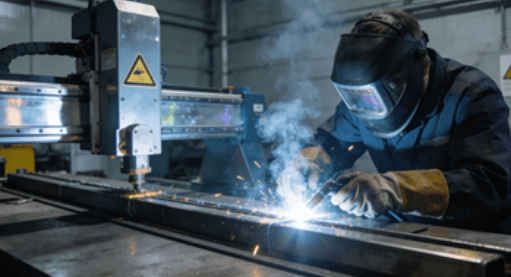
A butt welding machine is one of the most widely used pieces of industrial welding equipment across manufacturing, construction, automotive production, pipeline assembly, metal fabrication, and various engineering fields. Whether used for joining metal plates, connecting pipes, or producing durable welded parts, a butt welding machine provides the strength, consistency, and structural integrity required for both high-volume industrial work and precision engineering applications.
Despite its popularity, many users struggle to achieve stable welding performance, long machine lifespan, and high-quality welded joints. This is often the result of insufficient understanding of machine setup, inappropriate welding parameters, low-quality materials, or improper maintenance procedures. This blog will give you seven essential tips that help you use a butt welding machine more efficiently and safely. These tips can dramatically improve your outputs, reduce operational costs, and extend the service life of the equipment.
By applying the techniques outlined here, operators can minimize production defects, reduce repair expenses, and ensure higher productivity. Manufacturers who rely heavily on welding operations will also find these insights valuable for implementing workplace standards and optimizing team training programs. Whether you are a professional welder or industrial equipment manager, understanding how to get the best results from a butt welding machine will directly influence the quality and profitability of your operations.
This article aims to provide comprehensive, practical, and industry-focused knowledge. It goes beyond basic operating instructions, covering key areas such as machine setup, calibration, quality control, material preparation, workplace safety, and long-term maintenance. You will also find a detailed comparison table in the middle of the article to help you plan your workflow and evaluate different operational priorities.
Let’s begin by exploring the seven essential butt welding machine tips that every operator should master.
1. Understanding Butt Welding Machine Fundamentals
Before exploring advanced techniques, it is essential to understand how a butt welding machine works. A butt welding machine applies pressure and heat to join two pieces of material end to end. The goal is to achieve a seamless, uniform, and strong welded joint. This process can involve electrical resistance, flash butt welding, friction welding, or thermoplastic welding depending on the material type and production requirements.
Why Fundamentals Matter
When operators do not fully understand the fundamental working principles, they often experience machine misuse, excessive material waste, and unexpected welding failures. A butt welding machine requires precise control over heating temperature, pressure, alignment, cooling time, and electrode conditions. Incorrect settings can cause excessive deformation, weak joints, cracks, or porosity in the weld.
Key Features to Know
Understanding the following features of a butt welding machine will significantly improve your welding performance:
- Heating system or transformer capacity
- Pressure system (mechanical or hydraulic)
- Clamping mechanism
- Alignment and centering precision
- Cooling system
- Electrode condition and compatibility
- Safety devices
- Digital or manual control interfaces
Mastering these features will allow you to fully utilize the machine’s potential and achieve consistent weld quality.
2. Material Preparation Tips for Butt Welding Machine Users
Material preparation is one of the most critical factors influencing weld strength and appearance. Using a butt welding machine without properly preparing materials will lead to misalignment, inconsistent melting, and structurally weak joints.
Cleaning and Surface Preparation
All surfaces must be clean, dry, and free of contaminants before welding. Common contaminants include oil, paint, dust, rust, and debris. These contaminants increase electrical resistance or interfere with heat distribution, resulting in defective welds.
Recommended cleaning methods include:
- Wire brushing
- Grinding
- Solvent wiping
- Sandblasting for heavily corroded parts
Dimensional Accuracy
Ensure that the two materials being joined are of identical dimensions. Differences in thickness or length cause uneven heating and pressure distribution, making the weld weaker.
Edge Preparation
Although a butt welding machine does not always require beveling, some materials—especially thick plates—may require edge treatment for optimal fusion. Smooth, straight edges lead to easier alignment and stronger welds.
Temperature Considerations
Materials should be preheated when required. Preheating reduces thermal shock, prevents cracking, and ensures smoother fusion. This is especially important for carbon steel, alloy steel, or materials sensitive to rapid thermal expansion.
3. Essential Setup Tips for a Butt Welding Machine
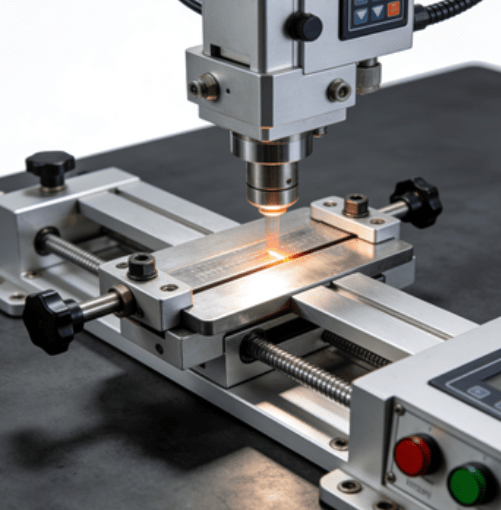
Proper setup ensures consistent performance and reduces the chance of welding defects. A butt welding machine is only as good as its setup; even minor misconfigurations can significantly impact weld strength.
Alignment Accuracy
The two materials must align perfectly. Poor alignment results in weak joints and increased stress concentration. Operators should inspect clamps, guides, and fixtures to ensure precision.
Choosing the Correct Parameters
Every butt welding machine includes adjustable parameters such as:
- Heating time
- Welding time
- Upset or forge pressure
- Current intensity
- Cooling duration
Choosing the wrong parameters can lead to burning, underheating, cracking, or incomplete fusion.
Checking Power and Grounding
Stable electrical connections are vital for consistent heat output. Poor grounding leads to voltage fluctuations, resulting in unstable weld quality.
Electrode Maintenance
Electrodes should be clean, properly shaped, and free of oxidation. Worn electrodes reduce efficiency and cause overheating or irregular fusion.
Lubrication and Mechanical Checks
Hydraulic or mechanical parts must be properly lubricated. Regular checks prevent jerky movements, pressure inconsistency, and machine wear.
4. Operating Tips: Getting the Best Results from a Butt Welding Machine
This section offers practical techniques to help operators achieve the best results using a butt welding machine. Applying these steps will reduce error rates and ensure strong, reliable welded joints.
Pre-Welding Checks
Before starting operations, confirm the following:
- Machine is calibrated
- Clamps firmly hold the materials
- Workplace is clean
- Ventilation is adequate
- Operators have appropriate PPE
Applying the Correct Pressure
Pressure determines how well the materials fuse. Too much pressure causes deformation while too little pressure results in a weak weld. Achieving the correct pressure is essential for maintaining uniformity.
Monitoring Heat Distribution
Heat must be evenly distributed across the weld interface. Uneven heat leads to incomplete fusion or excessive melting.
Cooling Technique
Cooling must be controlled, not rushed. Natural cooling is typically preferred over forced cooling techniques that might cause internal stress or cracks.
5. Comparison Table: Key Operating Parameters for a Butt Welding Machine
Below is a helpful table placed in the middle of the article to give operators a clear overview of recommended operational considerations.
| Parameter | Description | Impact on Weld Quality | Recommended Practice |
|---|---|---|---|
| Alignment | Accuracy of the two materials | Affects structural integrity | Use precise clamping systems |
| Heating Time | Duration of heating | Controls melting uniformity | Adjust based on material thickness |
| Pressure | Force applied during welding | Influences fusion strength | Calibrate before each operation |
| Cooling Time | Duration before releasing clamps | Prevents cracking | Allow natural cooling |
| Electrode Condition | Cleanliness and shape | Ensures stable conduction | Inspect and maintain regularly |
| Surface Preparation | Cleanliness of weld surfaces | Prevents porosity and defects | Remove oil, rust, paint |
This table provides operators with reference points for evaluating machine performance and maintaining welding quality. Using these guidelines ensures the butt welding machine functions effectively and consistently.
6. Safety Tips for Maximizing Butt Welding Machine Performance
A butt welding machine requires strict safety protocols due to high heat, electrical power, and mechanical pressure. Operators must follow safety practices to prevent accidents and protect equipment.
Essential Safety Measures
- Always wear proper PPE including gloves, eye protection, and welding masks.
- Avoid operating the machine in wet or poorly ventilated environments.
- Inspect cables, electrodes, and clamps before each shift.
- Maintain a safe distance from moving components.
- Keep fire extinguishers accessible near the machine.
Avoiding Electrical Hazards
Because a butt welding machine relies on electrical power, operators must ensure proper grounding, avoid damaged cables, and wear insulated boots.
Preventing Mechanical Injuries
Clamping systems, moving parts, and hydraulic mechanisms can cause injuries if misused. Operators should never place hands near moving parts and should always follow lockout procedures during maintenance.
7. Maintenance and Long-Term Care Tips for a Butt Welding Machine
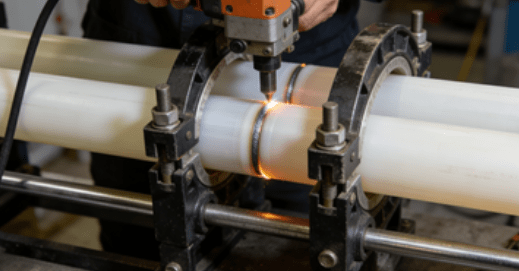
Proper maintenance extends the life of your butt welding machine, reduces downtime, and ensures consistent performance. Ignoring maintenance leads to increased costs, inconsistent welds, and premature machine failure.
Routine Checks
Daily maintenance includes:
- Cleaning welding surfaces
- Checking for loose bolts and connections
- Inspecting electrode condition
- Lubricating mechanical components
Scheduled Maintenance
Weekly or monthly maintenance should involve:
- Inspecting hydraulic systems
- Testing electrical systems
- Measuring machine output accuracy
- Replacing worn components
- Reevaluating alignment mechanisms
Record Keeping
Maintain a logbook recording:
- Machine performance
- Maintenance activity
- Component replacements
- Operator feedback
Accurate record-keeping helps identify recurring problems and improves operational planning.
Conclusion
A butt welding machine is a highly valuable asset for industrial welding operations. However, achieving high-quality, reliable welds requires more than just basic operation—you must understand the equipment, prepare materials properly, ensure accurate machine setup, follow safe operating procedures, and maintain the machine regularly. The seven essential tips in this article provide a complete framework for maximizing machine efficiency, minimizing defects, and improving welding output.
By following these guidelines, operators and manufacturers can improve productivity, reduce equipment downtime, ensure consistent weld quality, and extend the lifespan of their welding systems. Whether you manage a welding workshop, operate industrial machinery, or manufacture welded components, mastering the use of a butt welding machine is a long-term investment in operational excellence.
FAQ
1. What is a butt welding machine used for?
A butt welding machine is used to join two pieces of metal or thermoplastic material end to end by applying heat and pressure.
2. How do I improve weld quality when using a butt welding machine?
Proper material preparation, correct parameter settings, and regular maintenance are essential for achieving high-quality welds.
3. How often should maintenance be done?
Basic cleaning should be done daily, while deeper inspections and component checks should be scheduled weekly or monthly depending on usage.
4. Can beginners use a butt welding machine?
Yes, but they require proper training, safety instructions, and supervision from experienced operators.
5. What causes weak welds when using a butt welding machine?
Weak welds may result from misalignment, insufficient pressure, incorrect heating time, dirty surfaces, or worn electrodes.
If you enjoyed this article on Jinbolida’s smart manufacturing and digital factory expertise, follow us for more insights and updates:
- 📘 Facebook: Stay tuned for our latest smart production line projects → Facebook
- 📱 WhatsApp: Contact us anytime for custom production solutions → Chat Now
- ▶️ YouTube: Watch our automated line demos and real-world applications → YouTube
Let’s keep innovating and shaping the future of smart manufacturing — together!
 English
  Arabic
  Russian
  Spanish
  French