
Conquer 10 Essential Hydraulic Metal Shear Rules
Table of Contents
Introduction
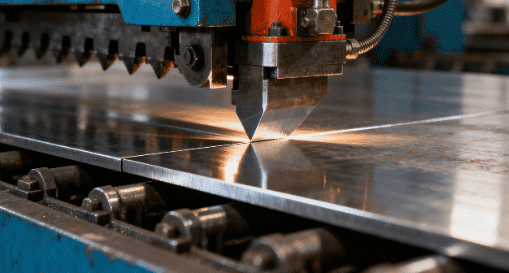
In modern metal processing industries, achieving superior quality and high throughput is mandatory. Whether dealing with materials for steel formwork production, tube manufacturing, or photovoltaic support lines, the cutting phase, often performed by a robust hydraulic metal shear, determines the foundation of downstream precision and efficiency. The shift in manufacturing demands that auxiliary equipment, such as hydraulic metal shear systems, move beyond simple cutting tasks to become integral components of intelligent production lines. These smart systems must deliver consistent quality with high efficiency, supported by integrated production across the entire value chain.
To transition from traditional fabrication methods to the standards of a digital factory solution, manufacturers must conquer ten essential rules governing the operation, integration, and performance of their hydraulic metal shear equipment. Ignoring these rules means sacrificing the high precision and automation required for global competitiveness.
The Core Ten Rules for Mastering Hydraulic Metal Shear
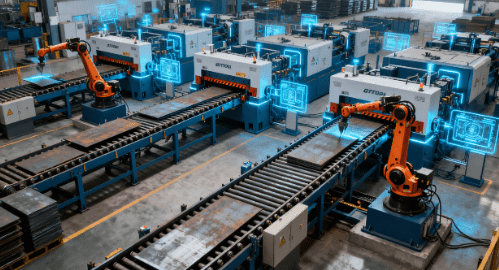
Mastering any profile processing equipment is about more than learning to operate a single machine—it’s about achieving patented processes that deliver high precision, high efficiency, and long mold life. For hydraulic metal shears, this means treating the machine as a critical element within a smart, continuous production system, rather than a standalone tool.
Rule 1: Prioritize Ultra-Precision Over Industry Standards in hydraulic metal shear operation
The first rule is to reject traditional tolerances. Standard manufacturing often accepts errors of 1–2 mm, but modern smart equipment aims for accuracies ten times higher, achieving hole-to-hole precision of ±0.2 mm or length accuracy <0.2 mm. While this level of precision is often associated with punching and forming, it is equally essential for cutting. High-precision shearing ensures that material fed into subsequent processes, such as tube mill production lines or steel formwork systems, meets superior standards and reduces downstream errors.
Insight: Even small deviations in cut lengths can accumulate over large batches, leading to misalignment in assembly and increased material waste.
Rule 2: Embrace Automated Processing for High-Efficiency hydraulic metal shear Systems
High automation is no longer optional. Manual intervention slows production and increases labor costs. Integrating the hydraulic metal shear into automated flows, such as seamless punching, cutting, and forming lines, ensures fast, continuous operations with minimal human input. Automation not only boosts throughput but also reduces operator fatigue and human error.
Example: In solar support production, fully automated lines can handle hundreds of sheets per hour without downtime, freeing staff to focus on quality inspection and process optimization.
Rule 3: Demand Flexible Profile Switching Capability
Flexibility is key to meeting diverse manufacturing demands. Modern production lines, such as those for C/Z-shaped steel profiles in solar support systems, require equipment that can switch quickly between profiles. Advanced hydraulic metal shears should allow rapid, seamless switching between different materials or profile types, minimizing downtime and maximizing line utilization.
Tip: Flexibility in cutting enables manufacturers to respond to changing customer requirements without needing multiple dedicated machines.
Rule 4: Integrate Cutting with Forming and Punching Systems
Efficiency comes from integration. The hydraulic metal shear should not operate in isolation—it should be part of a fully integrated system, such as a C/Z purlin roll forming line with feeding and punching capabilities. Integrated systems prevent bottlenecks, reduce material handling, and enable continuous processing from raw material to finished profile.
Case in Point: A factory integrating shear, punch, and forming processes reported a 30% increase in throughput while reducing handling errors.
Rule 5: Optimize for High-Speed, Continuous Manufacturing
Speed is essential for modern production. The shear must support continuous operation without stability issues, especially for high-demand applications like photovoltaic connector production, where automated lines require constant throughput. Maintaining high speed while ensuring precision reduces lead times and supports faster delivery to market.
Rule 6: Implement Nanometer-Level Transmission Integrity
Precision starts with technology. Advanced shears use ultra-precise transmission systems, often developed through R&D partnerships with top universities. This technology ensures repeatable, high-quality cuts across long production runs, maintaining consistent tolerances and minimizing scrap.
Insight: Investing in precision transmission at the shear stage benefits the entire downstream production process, from forming to assembly.
Rule 7: Focus on Low Energy Consumption and Stability
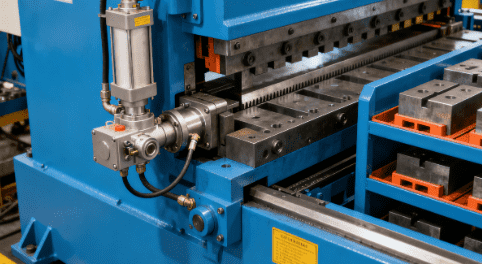
High-speed, automated operations must also be energy-efficient and stable. Stable machines reduce downtime and maintenance needs, while energy optimization lowers operational costs and environmental impact. Smart hydraulic shears balance powerful cutting performance with sustainable energy usage, ensuring long-term cost savings.
Rule 8: Leverage Real-Time Energy Consumption Data
To maximize efficiency, operators need insight into machine performance. Modern hydraulic shears with cloud-based monitoring allow real-time tracking of production output and energy usage. This data empowers manufacturers to adjust parameters, reduce energy waste, and optimize cutting operations continuously.
Tip: Real-time data also supports predictive maintenance, helping avoid unexpected downtime.
Rule 9: Reduce Manual Intervention for Less Labor
Automation reduces labor dependency. By automating feeding, cutting, and stacking, the hydraulic metal shear minimizes the need for constant operator attention. This not only frees personnel for higher-value tasks but also ensures consistent quality and faster production cycles.
Example: In a photovoltaic bracket line, automating the shear and feeding process cut labor hours by 40% while maintaining a stable production pace.
Rule 10: Ensure Easy Maintenance and Long Mold Life
Finally, a high-performance system must be easy to maintain. Components such as blades, hydraulic cylinders, and molds should be accessible for inspection and replacement. Long mold life reduces operational costs, maintains cutting quality, and ensures reliable performance over extended production runs.
Pro Insight: Machines designed for easy maintenance minimize unplanned downtime and keep production running smoothly, which is critical in high-volume manufacturing.
Achieving Excellence in Hydraulic Metal Shear Applications
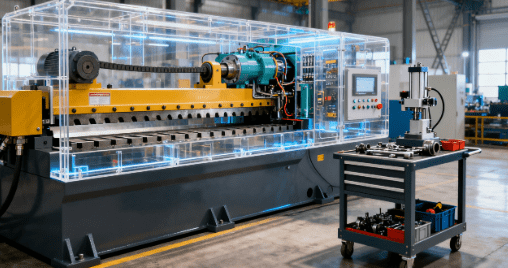
Applying these 10 rules ensures the equipment moves from being standard profile processing equipment to a key component of a smart production line. This holistic approach is essential for applications across various industries, including construction and steel structure, automotive components manufacturing, and photovoltaic and solar energy.
The following table summarizes the transformation required when optimizing a hydraulic metal shear for a smart factory environment:
| Operational Aspect | Traditional Hydraulic Metal Shear Performance | Modern Smart Factory Standard (Hydraulic Metal Shear) |
| Precision Goal | Industry standard accuracy (1–2 mm error). | 10 times improvement, aligning with $\pm0.2$ mm length accuracy. |
| Labor Input | High manual intervention, slow transfer between stages. | Automated feeding, cutting, and stacking; less labor required. |
| Operational Mode | Batch processing, fixed profiles. | Continuous manufacturing, quick switching between profiles. |
| Efficiency/Speed | Standard speeds, limited output. | High speed, enhanced manufacturing efficiency. |
Conclusion
Conquering the 10 rules for operating a hydraulic metal shear is vital for any enterprise seeking to provide digital factory solutions and maximize project efficiency. The key lies in adopting advanced integrated systems that guarantee superior precision, high efficiency, and stable, automated operation. By incorporating technologies like nanometer-level precision transmission and implementing systems capable of flexible, continuous manufacturing, manufacturers ensure their hydraulic metal shear is a robust component of a smart production line, capable of meeting the stringent requirements of global industrial chains, from precision parts to complete digital factories.
FAQ
How does automation enhance hydraulic metal shear performance?
Automation enhances the performance of the hydraulic metal shear by ensuring fast and accurate production with minimal manual intervention. This integration, often seen in automatic punching, cutting, and forming lines, allows for continuous processing, which significantly improves overall manufacturing efficiency and contributes to the goal of high-speed processing.
What precision metrics define a superior hydraulic metal shear setup?
A superior cutting system, which includes the hydraulic metal shear, should aim for accuracy significantly better than the standard 1–2 mm industry average. While the machine itself performs the shear, the system’s ability to maintain high precision is supported by advanced R&D in areas like nanometer-level precision transmission, ensuring the resulting profile or part is ready for subsequent steps like high-speed tube manufacturing or steel formwork production.
How does a hydraulic metal shear improve energy efficiency?
Modern hydraulic metal shears are designed to minimize energy consumption while maintaining stable cutting performance. By using optimized hydraulic systems and intelligent load management, these machines reduce wasted energy during idle times and ensure consistent output, lowering operating costs and environmental impact.
Can hydraulic metal shears handle different metal types and thicknesses?
Yes. High-end hydraulic metal shears are engineered for versatility, capable of cutting various metals, from mild steel to aluminum and stainless steel. Many machines feature adjustable cutting parameters and programmable controls, allowing rapid adaptation to different sheet thicknesses and profiles without compromising accuracy.
How does maintenance affect the performance of a hydraulic metal shear?
Routine maintenance is critical for long-term precision and reliability. Modern shears are designed with easy-access components, self-lubricating systems, and diagnostic tools that alert operators to potential issues. Proper maintenance ensures consistent cutting quality, reduces downtime, and extends the lifespan of critical parts such as blades and hydraulic pumps.
Are hydraulic metal shears suitable for automated production lines?
Absolutely. Hydraulic metal shears integrate seamlessly into automated production lines for high-speed processing, such as tube forming, roll forming, or metal panel fabrication. By combining feeding, cutting, and stacking in one continuous workflow, they reduce manual handling and improve overall throughput.
What safety features are standard in modern hydraulic metal shears?
Modern shears include multiple safety measures such as:
- Emergency stop buttons and safety guards
- Two-hand operation controls or light curtains to prevent accidental contact
- Automatic blade retraction during idle or maintenance modes
These features protect operators while ensuring uninterrupted, high-efficiency production.
If you enjoyed this article on Jinbolida’s smart manufacturing solutions and digital factory expertise, don’t forget to join us on social media for more industry insights, updates, and community discussions. Jinbolida specializes in providing smart production lines such as Steel Formwork Production Lines, Photovoltaic Equipment Production Lines, and High-Speed Tube Manufacturing Equipment, leveraging core technologies like nanometer-level precision transmission.
• 📘 Facebook – Connect with us here for the latest on our smart production lines and global impact: https://www.facebook.com/profile.php?id=61577965371544
• 📱 WhatsApp – Feel free to inquire about our customized production line design solutions and high-efficiency equipment at any time: https://wa.me/8613335170705
• ▶️ YouTube – Watch demonstrations of our automated forming, punching, and assembly lines, and explore our applications in Construction and Steel Structure, Photovoltaic and Solar Energy, and more: https://www.youtube.com/@JINBOLIDA-d3c
Let’s keep exploring the boundless possibilities of smart manufacturing, learning, and growing together. With 15 years of experience, over 326 patents, and serving 120+ countries, Jinbolida continues to drive innovation in smart equipment. Thanks for reading, and see you in the next post! 🚀
 English
  Arabic
  Russian
  Spanish
  French