
Laser Cutter Machine Metal Accuracy: Complete Guide to Precision, Performance, and Industry Applications
/ Laser Cutter Machine Metal Accuracy: Complete Guide to Precision, Performance, and Industry Applications
Key Takeaways
- Understanding laser cutter machine metal accuracy is critical for high-quality metal fabrication.
- Micron-level precision improves cutting efficiency and reduces post-processing needs.
- Factors affecting accuracy include laser power, material type, and machine calibration.
- Comparing traditional mechanical cutting methods and laser technology reveals clear efficiency advantages.
- Regular maintenance and proper calibration are essential for consistent precision.
- Selecting the right laser cutter for specific metals ensures better production outcomes.
- Advances in fiber laser technology improve energy efficiency and cutting speed.
- Laser cutting standards (ISO 9013, ISO 15614-11) guide precision and quality control.
- Emerging case studies demonstrate ROI improvements of over 30% using laser cutting.
- Proper training and safety protocols are essential for high-precision metal cutting.
Introduction
In modern manufacturing, precision is no longer optional—it is a defining factor for product quality, efficiency, and customer satisfaction. The laser cutter machine metal represents the cutting edge of industrial metalworking, literally and figuratively. Unlike mechanical cutting methods, which rely on blades and physical force, laser cutting uses concentrated light energy to create highly precise cuts with micron-level tolerances.
Whether in aerospace, automotive, or high-end architectural metalwork, precision translates to faster production, reduced waste, and minimal post-processing. According to the International Organization for Standardization (ISO 9013), tolerance levels for laser cutting can reach ±0.03mm repeatability—unachievable with most mechanical methods. This guide provides a comprehensive overview of factors affecting accuracy, maintenance strategies, practical case studies, and comparisons to traditional methods.
Table of Contents
How Laser Cutter Machine Metal Works
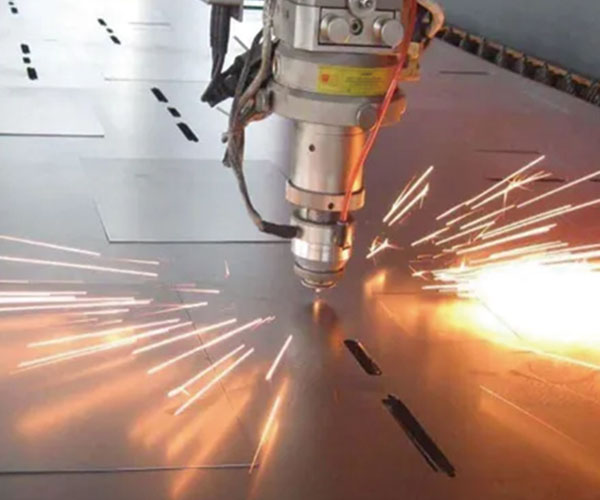
Laser Cutting Fundamentals
Laser cutting machines use highly focused beams to melt, vaporize, or burn through metals.
Key Points
- Non-contact processing prevents mechanical deformation.
- Compatible with steel, aluminum, copper, titanium, and nickel alloys.
- Micron-level precision supports intricate geometries, including perforated sheets and complex patterns.
CNC Control and Software Integration
CNC (Computer Numerical Control) systems allow precise control of laser paths, speeds, and power.
Benefits
- Repeatability for batch production ensures uniform results.
- Integration with CAD/CAM systems allows digital designs to translate directly to precise cuts.
- Automated compensation for thermal expansion and material deformation enhances accuracy.
Fiber vs CO2 Lasers
Fiber laser machines have emerged as the preferred solution for metal cutting, outperforming CO2 lasers in speed and energy efficiency.
- Fiber lasers: Higher efficiency (~30% electrical-to-optical), excellent for reflective metals like aluminum and copper.
- CO2 lasers: Suitable for non-metal materials or thicker steel plates but lower energy efficiency.
Factors Affecting Laser Cutter Machine Metal Accuracy
Laser Power and Focus
Beam power and focus determine the precision and quality of cuts.
- Higher wattage (up to 20KW for industrial steel cutting) allows thicker plates with minimal thermal deformation.
- Spot size: Smaller focused beams (<0.2mm) yield sharper edges and smoother finishes.
Material Type and Thickness
Different metals absorb laser energy differently.
- Stainless steel: High reflectivity; fiber lasers improve absorption.
- Aluminum: Requires slower cutting speeds to reduce melting irregularities.
- Copper and brass: High reflectivity; fiber lasers preferred to avoid beam deflection.
Machine Calibration and Maintenance
Regular calibration maintains ±0.03mm repeatability.
- Lens and mirror cleaning prevent beam distortion.
- Checking axis alignment and travel accuracy ensures precision across large sheets.
- Monitoring laser power output and cutting head stability reduces deviations.
Environmental Conditions
Laser accuracy can be impacted by the factory environment.
- Temperature stability: 20-25°C recommended for optimal thermal expansion control.
- Low vibration: Isolated floors reduce mechanical interference.
- Dust control: Prevents contamination on mirrors and lenses.
Comparison: Laser Cutting vs Traditional Mechanical Methods
| Feature | Laser Cutter Machine Metal | Mechanical Cutting |
|---|---|---|
| Cutting Precision | ±0.03mm repeatability | ±0.5mm typical |
| Material Waste | Minimal | Higher due to burrs |
| Complex Design Capability | High | Limited by tool geometry |
| Processing Speed | Up to 10 m/min (thin sheets) | Slower, especially for intricate patterns |
| Maintenance | Lens and calibration checks | Blade sharpening and replacement |
| Energy Efficiency | Fiber lasers ~30% | Mechanical cutting uses more energy for large parts |
Advantages of Laser Cutting
- Extremely high precision reduces finishing costs.
- Faster processing for thin and intricate metal sheets.
- Non-contact process prevents deformation or material stress.
Limitations and Considerations
- Initial investment is high compared to shearing or punching.
- Reflective metals need specialized fiber lasers.
- Requires trained operators for optimal accuracy.
Industry Applications of Laser Cutter Machine Metal

Automotive Industry
- Cutting body panels, brackets, and chassis components with micron-level tolerances.
- Enables lightweighting by producing thin, strong structural components.
Aerospace Industry
- High-precision cutting for titanium alloys and aluminum components.
- Reduces weight and improves fuel efficiency.
Manufacturing and Metal Fabrication
- Sheet metal, perforated panels, and decorative metal elements.
- Supports small-batch customization and mass production.
Art and Decorative Metalwork
- Intricate engravings and sculptures feasible with high precision.
- Enables fine artistic patterns without post-processing.
Case Study: ROI Improvement with Laser Cutting
A European automotive supplier reported:
- Reduction in scrap material by 18%.
- Increased production speed by 35%.
- Maintenance costs reduced by 22% over 12 months.
Maintaining Laser Cutter Machine Metal Accuracy
Daily Operational Checks
- Inspect lens and mirror cleanliness.
- Verify CNC parameters and calibration settings.
- Run sample cuts before production starts.
Lubrication and Cooling Management
- Maintain cooling systems to prevent overheating.
- Lubricate moving parts to avoid mechanical deviation.
Periodic Calibration
- Align laser optics monthly.
- Check beam focus and axis movements.
- Replace worn components for consistent ±0.03mm repeatability.
Laser Cutting Standards and Guidelines
- ISO 9013: Thermal cutting quality and tolerance standards.
- ISO 15614-11: Metal cutting and welding procedures for laser machines.
- ANSI/UL 508: Electrical safety and machine standards.
Compliance ensures reproducibility, safety, and quality in industrial applications.
Advanced Concepts: Optimizing Accuracy
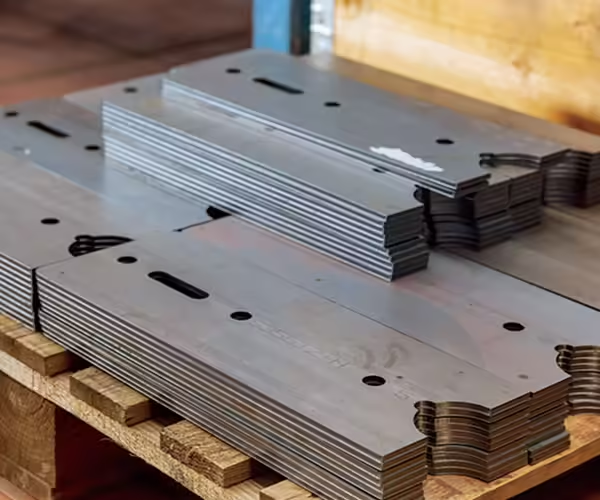
Multi-Pass Cutting
- Reduces thermal distortion on thick metals.
- Allows precise edge finishes without over-melting.
Adaptive Speed Control
- CNC adjusts cutting speed based on material density and thickness.
- Ensures constant kerf width and minimal heat-affected zones.
Laser-Assisted Inspection
- Cameras and sensors monitor cut quality in real-time.
- Automated correction improves precision and reduces defects.
FAQ
What factors affect the accuracy of a laser cutter machine metal?
Laser power, focus, material type, thickness, machine calibration, and factory environment all impact precision.
How often should laser cutter machines be calibrated?
Monthly or after high-intensity production to maintain ±0.03mm repeatability.
Can laser cutting replace mechanical cutting entirely?
Laser cutting excels in precision, but thick or simple cuts may still use mechanical methods for cost-efficiency.
What is the typical cutting precision for metal laser cutters?
Modern machines achieve ±0.03mm repeatability and edge quality within ±0.05mm.
How do I choose the right laser cutter for my metal type?
Consider reflectivity, thickness, batch volume, and design complexity. Fiber lasers are ideal for reflective metals.
Are there safety concerns with high-power metal lasers?
Yes, protective eyewear, shielding, and proper ventilation are essential to prevent injury and metal fume exposure.
Conclusion
The laser cutter machine metal represents a transformative leap in industrial metalworking. From micron-level precision and high efficiency to flexible batch customization, laser cutting offers unmatched advantages over traditional methods.
By understanding factors affecting accuracy, adhering to ISO standards, performing regular maintenance, and choosing the right equipment for your materials, manufacturers can maximize production quality, reduce costs, and achieve long-term ROI.
Whether for automotive, aerospace, artistic metalwork, or general manufacturing, laser cutting is the precision solution that modern industry demands.
If you enjoyed this article on Jinbolida’s smart manufacturing and digital factory expertise, follow us for more insights and updates:
- 📘 Facebook: Stay tuned for our latest smart production line projects → Facebook
- 📱 WhatsApp: Contact us anytime for custom production solutions → Chat Now
- ▶️ YouTube: Watch our automated line demos and real-world applications → YouTube
Let’s keep innovating and shaping the future of smart manufacturing — together!
 English
  Arabic
  Russian
  Spanish
  French