
Roll Forming Machine Basics and Applications
Table of Contents
Introduction
A roll forming machine is an essential industrial tool used to shape metal sheets into precise profiles. It works continuously, gradually bending metal through a series of rollers, making it ideal for high-volume production. Roll forming machines are widely applied in construction, automotive, and manufacturing sectors, offering efficiency and consistency.
What is a Roll Forming Machine?
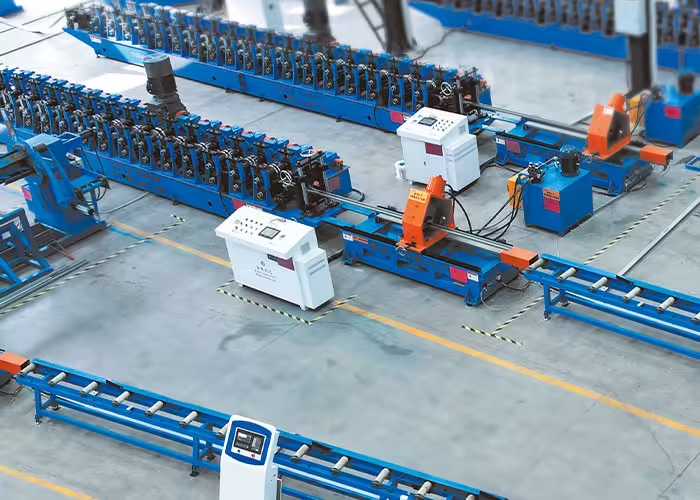
Definition of Roll Forming Machine
A roll forming machine is a continuous bending machine that shapes metal sheets by passing them through a series of rollers. Each roller gradually bends the material until the desired profile is achieved.
Key Components
- Rollers and Dies: Shape the metal step by step.
- Feeding System: Guides the sheet into the machine smoothly.
- Cutting Unit: Trims or cuts the finished product to length.
- Control System: Ensures precision and automation in operation.
How Roll Forming Works
The sheet metal enters the machine and passes through multiple rollers. Each roller slightly bends the metal until the final shape emerges. This continuous process ensures high efficiency and consistent quality.
Types and Features of Roll Forming Machines


Types by Material
- Steel Roll Forming Machines: For structural and roofing sheets.
- Aluminum Roll Forming Machines: Lightweight and corrosion-resistant profiles.
- Copper Roll Forming Machines: Used for decorative and electrical applications.
Types by Automation Level
- Manual or Semi-Automatic Machines: Require operator adjustments.
- Fully Automatic Machines: Offer higher precision, speed, and less human intervention.
Advantages of Roll Forming Machines
- Continuous production for high efficiency.
- High dimensional accuracy.
- Flexible customization of profiles and thicknesses.
How Roll Forming Machines Work
Gradual Forming Process
Metal sheets enter the machine and move through successive rollers. Each roller incrementally bends the metal, reducing stress and improving dimensional accuracy.
Automation in Operation
Modern roll forming machines often feature automated feeding, forming, and cutting systems. Automation ensures consistent product quality, reduces manual labor, and increases production speed.
Safety Considerations
Operators must monitor the machine carefully, keeping hands away from rollers and following standard safety protocols. Regular checks of lubrication, alignment, and electrical systems are critical for safe and efficient operation.
Key Features and Conceptual Insights
Material Flexibility
Roll forming machines can handle various metals, including steel, aluminum, and copper. Each material has different forming characteristics, influencing roller design and machine speed.
Profile Customization
One of the main advantages of roll forming is the ability to create complex and precise profiles. The shape of the final product depends on roller design, allowing flexibility for different industrial needs.
Comparison with Other Forming Methods
Unlike press brakes or stamping machines, roll forming machines excel at continuous, high-speed production. Press brakes are suitable for simple bends, while stamping is ideal for complex cuts. Roll forming balances speed, precision, and low material waste.
How to Operate a Roll Forming Machine
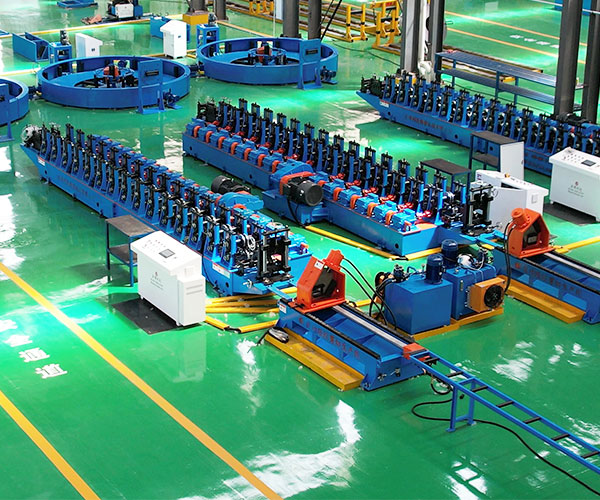
Preparation Before Operation
Before starting, the operator must check roller alignment, lubrication, and material specifications. Proper preparation ensures accurate forming and reduces wear on components.
Stepwise Forming Concept
Operating a roll forming machine involves feeding the sheet, adjusting roller pressure, and monitoring the continuous forming process. The gradual shaping minimizes material stress and achieves consistent dimensions.
Maintenance and Troubleshooting
Routine Maintenance
- Lubricate rollers and bearings regularly.
- Inspect the transmission system for wear.
- Clean and maintain the control and electrical systems.
Common Issues and Fixes
Feeding Issues → Clean feeding tracks and ensure smooth entry.
Warped or Twisted Sheets → Adjust roller pressure or alignment.
Excess Noise → Inspect bearings and transmission belts.
Inaccurate Profile → Recalibrate dies and rollers.
Applications and Advantages

Construction and Architecture
Roll forming machines produce panels and structural elements used in roofing, wall systems, and architectural trims. Their consistency ensures high-quality finishes suitable for large-scale projects.
Automotive Industry
In automotive manufacturing, roll forming machines create structural and decorative components with precise dimensions, supporting lightweight design and material efficiency.
Industrial Efficiency
The continuous nature of roll forming reduces labor input and material waste. Compared to other methods, it allows high-volume production without compromising quality.
Conclusion
Roll forming machines are central to modern metalworking, offering precision, flexibility, and high efficiency. Understanding their concepts, operational principles, and applications allows manufacturers to choose the right machine for their needs. Proper maintenance and safe operation ensure long-lasting, reliable performance.
FAQ
How can I safely operate a roll forming machine at home or in a workshop?
Always check that safety guards are in place, verify the electrical system, and follow step-by-step procedures. Keep hands clear of rollers and monitor the forming process carefully.
Can one machine handle different metal types?
Yes, but roller spacing, pressure, and speed must be adjusted to match the material’s characteristics. Improper setup can lead to poor forming or damage.
What is the difference between manual and fully automatic roll forming machines?
Manual machines require constant operator intervention for adjustments, while fully automatic machines handle feeding, forming, and cutting with minimal human input, offering higher consistency.
How do I extend the lifespan of a roll forming machine?
Routine maintenance, lubrication, proper alignment, and timely replacement of worn parts are crucial. A well-maintained machine can last over a decade.
Why choose roll forming over stamping or bending for production?
Roll forming is ideal for continuous, high-volume production with low material waste. Stamping and bending are suitable for smaller runs or more complex shapes but cannot match the efficiency of roll forming for long sheets or repetitive profiles.
If you enjoyed this article on Jinbolida’s smart manufacturing and digital factory expertise, follow us for more insights and updates:
- 📘 Facebook: Stay tuned for our latest smart production line projects → Facebook
- 📱 WhatsApp: Contact us anytime for custom production solutions → Chat Now
- ▶️ YouTube: Watch our automated line demos and real-world applications → YouTube
Let’s keep innovating and shaping the future of smart manufacturing — together! 🚀
 English
  Arabic
  Russian
  Spanish
  French