
Roll Forming Machine for Solar Structure: Optimizing Photovoltaic Bracket Production
/ Roll Forming Machine for Solar Structure: Optimizing Photovoltaic Bracket Production
The solar industry is rapidly expanding, and the demand for high-quality photovoltaic brackets has increased significantly. A roll forming machine for solar structure provides an efficient, precise, and automated solution for producing C/U-type profiles and solar panel mounting systems. This guide explores the types, applications, benefits, and maintenance of these machines to help manufacturers select the ideal solution.
Table of Contents
What is a Roll Forming Machine for Solar Structure?
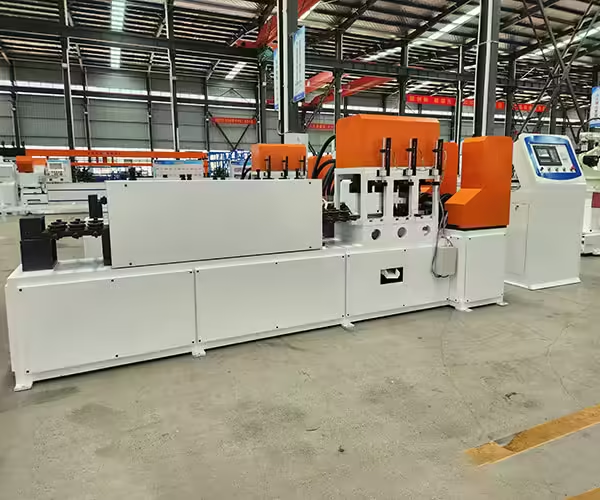
Concept and Function
A roll forming machine is a continuous bending machine that converts flat metal sheets into predefined shapes. For solar structures, it shapes C-type and U-type profiles with precise dimensions, enabling consistent and repeatable production.
Key Components
Decoiler
The decoiler holds metal coils and feeds material into the forming line, ensuring smooth and consistent operation.
Rollers
Rollers gradually shape the metal into the required profile, maintaining accuracy for both standard and custom dimensions.
Cutter
The cutting device trims the profiles to the desired length, ensuring each piece meets production specifications.
Punching Station
Punching stations create holes at predefined positions for assembly, eliminating the need for secondary operations.
Control System
PLC or automated controls manage speed, cutting, and punching sequences, improving efficiency and reducing human error.
Optional Accessories
Additional devices like bending stations or guiding supports allow customization for specific solar bracket designs.
Types of Roll Forming Machines for Solar Structure


C-Type and U-Type Profile Machines
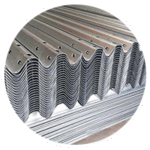
These machines are specifically designed for forming C and U-shaped solar bracket profiles. They can handle various thicknesses and widths while maintaining high precision.
Integrated Punching & Forming Machines
Some roll forming machines combine forming and punching in one production line, saving time, space, and labor while improving consistency.
Semi-Automatic vs Fully Automatic Lines
Semi-automatic lines require some manual feeding and adjustment, suitable for small-scale production. Fully automated lines offer high throughput, ideal for industrial-scale manufacturing.
Applications in Solar Structure Manufacturing
Roof-Mount Racking
Machines produce profiles for rooftop solar brackets, ensuring precise dimensions for stable installation and easy assembly.
Ground-Mount Racking
Large ground-mounted solar installations require long, heavy-duty profiles that these machines can efficiently produce.
Tracker System Components
Roll forming machines can manufacture parts for solar tracking systems, including adjustable brackets and rail supports.
Material Compatibility
These machines handle various metals such as steel, aluminum, and galvanized sheets. Punching stations can process different hole sizes and spacing requirements.
Advantages of Using a Roll Forming Machine for Solar Structure
Efficiency and Production Speed
Continuous forming and integrated punching significantly reduce production time compared to manual or separate operations.
Precision and Consistency
Roll forming machines ensure consistent profile dimensions and precise hole placement, critical for solar bracket assembly.
Cost and Material Savings
By optimizing metal usage and reducing waste, these machines lower material costs. Automation also reduces labor expenses.
Flexibility and Customization
Adjustable rollers, cutting lengths, and punching positions allow manufacturers to produce various bracket designs on the same line.
How to Choose the Right Solar Structure Machine

Material and Thickness
Select rollers and punching equipment suitable for the sheet metal thickness and type used in your solar structures.
Production Capacity
Consider your factory’s output requirements: small, medium, or large-scale production lines require different machine configurations.
Automation Level
Decide between semi-automatic and fully automatic systems based on labor availability and desired throughput.
Budget and ROI
Balance initial equipment cost, maintenance, and expected output to maximize return on investment.
Space and Layout
Ensure your production line fits the available floor space and integrates smoothly with other processing equipment.
Common Problems and Solutions
Material Feeding Issues
Misaligned coils or uneven feeding can affect profile quality. Using guided decoilers and proper tension adjustment resolves this issue.
Roller or Punch Wear
Over time, rollers and punching tools wear out. Regular inspection and replacement are necessary to maintain precision.
Cutting and Punching Inaccuracy
Inaccurate cuts or holes can occur due to misalignment. Proper calibration and routine maintenance minimize errors.
Downtime and Maintenance
Preventive maintenance, lubrication, and checking fasteners reduce machine downtime and extend lifespan.
Comparison with Other Metal Forming Methods
Roll Forming vs Press Braking
- Roll forming is ideal for continuous high-volume production.
- Press braking is better suited for low-volume, custom bending but slower and labor-intensive.
Roll Forming + Punching vs Separate Machines
- Integrated machines save space and labor.
- Separate forming and punching operations require more handling, increasing time and risk of errors.
Comparison Table:
| Feature | Roll Forming + Punching | Separate Press & Punch |
|---|---|---|
| Production Speed | High | Medium |
| Accuracy | High | Medium |
| Labor Requirement | Low | High |
| Material Waste | Minimal | Higher |
| Investment Cost | Medium | Medium-High |
Maintenance and Lifespan

Regular Inspection
Routine checks of rollers, cutters, and punch stations reduce wear and ensure accuracy.
Replacement Parts
Monitor roller and tool wear to schedule timely replacements, maintaining production quality.
Operation Training
Well-trained operators prevent misuse, reduce downtime, and extend machine life.
FAQ
How long does it take to produce a solar structure using these machines?
Production time depends on machine speed and profile length, but continuous forming significantly reduces total time compared to manual methods.
Can one machine handle both C-type and U-type profiles?
Yes, many machines are adjustable to accommodate both profile types, with interchangeable rollers.
What materials can the punching station handle?
Steel, aluminum, and galvanized sheets of varying thicknesses can be processed accurately.
How precise are the punching holes for solar brackets?
Holes are consistently placed to exact positions with minimal deviation, critical for assembly accuracy.
Can the machine be customized for different solar panel sizes?
Yes, roll forming machines and punching stations are adjustable and can be tailored for various bracket dimensions.
What’s the difference between semi-automatic and fully automatic production lines?
Semi-automatic requires some manual feeding; fully automatic lines run continuously with minimal operator input, providing higher output.
How often should the rollers and punches be maintained or replaced?
Maintenance depends on usage and material type; routine inspection every few weeks and replacement as wear is detected is recommended.
Conclusion
A roll forming machine for solar structure is essential for producing high-quality C/U-type solar brackets efficiently and accurately. By integrating forming and punching operations, manufacturers can improve productivity, reduce waste, and maintain precise assembly tolerances.
Contact us today to learn more about customized solar structure roll forming and punching solutions and receive professional guidance for your production line.
If you enjoyed this article on Jinbolida’s smart manufacturing and digital factory expertise, follow us for more insights and updates:
- 📘 Facebook: Stay tuned for our latest smart production line projects → Facebook
- 📱 WhatsApp: Contact us anytime for custom production solutions → Chat Now
- ▶️ YouTube: Watch our automated line demos and real-world applications → YouTube
Let’s keep innovating and shaping the future of smart manufacturing — together! 🚀
 English
  Arabic
  Russian
  Spanish
  French