
Sheet Metal Shearing Machine Buying Guide 2026
Blog Highlights
- What a sheet metal shearing machine is and why it matters
- Key buying considerations in 2026 for manufacturers and workshops
- Types of shearing machines with detailed comparisons
- Industry standards, quality certifications, and safety regulations
- Maintenance, troubleshooting, and best practices
- Real-world case studies and success stories
- Advanced trends and innovations for smart manufacturing
- Frequently Asked Questions (FAQ) for buyers
Introduction
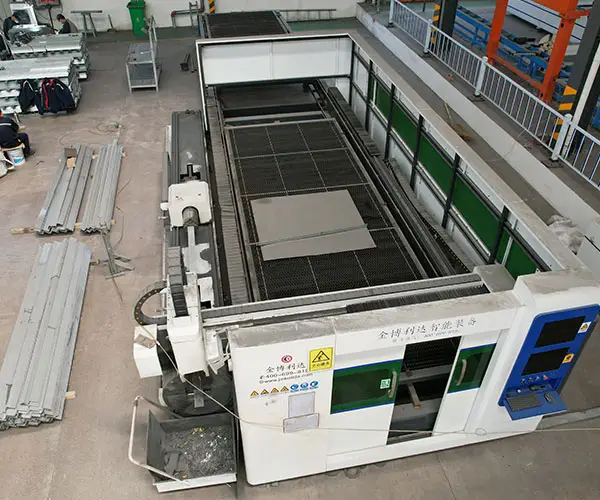
In 2026, sheet metal processing is evolving faster than ever. Manufacturers are no longer content with simple mechanical shearing; efficiency, precision, automation, and sustainability are now mandatory. With global demand for high-quality metal products increasing across automotive, aerospace, construction, and electronics industries, choosing the right sheet metal shearing machine is crucial for maintaining competitive advantage.
Consider this: according to a 2025 report by MarketsandMarkets, the global metal fabrication machinery market is projected to reach $38.4 billion by 2027, growing at a CAGR of 5.2%. Companies that invest in advanced shearing machines today can reduce labor costs by up to 30% and improve production efficiency by 25–40%.
Table of Contents
What is a Sheet Metal Shearing Machine?

Definition and Function
A sheet metal shearing machine is industrial machinery designed to cut metal sheets into straight lines with precision. Unlike laser or plasma cutting, shearing uses mechanical force, which results in burr-free, clean edges.
- Key Function: Convert large metal sheets into manageable sizes or parts for fabrication
- Common Materials: Steel, stainless steel, aluminum, copper, and alloy sheets
Advantages Over Alternative Cutting Methods
- Faster cutting speed for straight cuts compared to laser or plasma
- Reduced energy consumption due to mechanical cutting rather than thermal methods
- Lower operational cost in high-volume, linear sheet production
Key Features to Consider in 2026
Cutting Capacity and Sheet Thickness
Modern shearing machines handle thicknesses from 0.5 mm up to 25 mm, with widths up to 3 meters for industrial-grade machines. Check hydraulic tonnage: a 100-ton hydraulic press can cut 10 mm mild steel effortlessly, while CNC models can handle up to 25 mm stainless steel.
Blade Quality and Material
Blades are typically made of high-carbon alloy steel or tungsten carbide-coated steel for longevity. Premium machines offer rotatable blades, doubling lifespan and reducing downtime.
Automation and CNC Integration
CNC shearing machines allow:
- Programmable cutting lengths and angles
- Integration with ERP or MES for production planning
- Real-time monitoring of machine health and blade condition
Industry Insight: A 2024 survey by Fabricators & Manufacturers Association found that shops using CNC-integrated shearing machines reported a 22% increase in throughput and 15% reduction in scrap material.
Types of Sheet Metal Shearing Machines
| Type | Primary Use | Advantages | Considerations |
|---|---|---|---|
| Manual Shearing Machine | Small-scale cutting | Low cost, simple | Limited speed, labor-intensive |
| Hydraulic Shearing Machine | Medium to large cutting | High force, precise | Maintenance of hydraulic system required |
| CNC Shearing Machine | Automated industrial cutting | Programmable, high precision, consistent | High initial cost, requires trained operators |
Comparing Manual, Hydraulic, and CNC Machines
- Manual Shears: Best for small workshops with low-volume production, minimal investment
- Hydraulic Shears: Efficient for thicker metals, provides consistent force, suitable for medium to large shops
- CNC Shears: Fully automated, ideal for high-volume, high-precision operations; allows remote monitoring and integration into smart factories
Sheet Metal Shearing Machine vs Other Cutting Methods
Shearing vs Laser Cutting
| Feature | Shearing | Laser Cutting |
|---|---|---|
| Cutting Method | Mechanical | High-energy laser |
| Precision | ±0.05 mm | ±0.03 mm |
| Materials | Metals only | Metals and non-metals |
| Speed | Very fast for straight cuts | High for complex shapes |
| Cost | Lower upfront cost | Higher upfront cost but low consumables |
Insight: Shearing excels in high-volume linear cuts, while laser cutting is better for intricate designs or thin sheets requiring micron-level precision.
Shearing vs Plasma Cutting
- Plasma is effective for thick metals and irregular shapes
- Shearing provides better edge quality and minimal secondary finishing for straight cuts
Industry Standards and Certifications


Key Standards
A reputable sheet metal shearing machine supplier should comply with:
- ISO 9001: Quality management systems
- CE Certification: Machinery safety compliance for European markets
- GB/T 17478-2018: Chinese national standard for metal cutting machine tools
- ISO 14001: Environmental management
Safety Regulations
- ANSI B11.4: Safety standards for shearing machines in the US
- Proper guard installation, emergency stops, and operator training are mandatory
- Modern machines often include safety interlocks and light curtains
Maintenance Tips for Long-Term Performance
Blade Inspection and Replacement
- Inspect blades weekly for nicks, chips, and wear
- Replace or rotate blades every 3–6 months, depending on usage
- Dull blades increase power consumption and reduce cut quality
Hydraulic System Care
- Check oil levels weekly and replace oil every 12 months
- Inspect hoses and seals to prevent leaks
- Maintain recommended operating pressure for optimal cutting force
Operator Training
- Proper training improves safety and productivity
- Digital CNC interfaces reduce human error
- Workshops using trained operators report up to 20% fewer accidents
Real-World Case Studies
Case 1: Automotive Component Fabrication
A car parts manufacturer in Germany replaced manual shearing with a CNC sheet metal shearing machine:
- Increased cutting speed by 35%
- Reduced scrap material by 18%
- ROI achieved in less than 18 months
Case 2: Small-Scale Fabrication Shop
A 15-person workshop in India upgraded from manual shears to hydraulic shearing machines:
- Achieved consistent thickness cuts up to 10 mm
- Reduced labor time by 25%
- Enabled expansion into new contract manufacturing opportunities
Case 3: Integration into Smart Factory
A Chinese steel fabrication plant integrated CNC shears with a laser cutting line:
- Real-time production tracking via ERP
- Automated scheduling reduced idle machine time by 30%
- Improved on-time delivery rates for client orders
Advanced Trends and Innovations
AI and Automation
- Smart CNC shearing machines predict blade wear and schedule preventive maintenance
- Automated sheet feeding systems reduce manual handling
- AI algorithms optimize cut sequences to minimize scrap
Energy Efficiency
- New hydraulic designs reduce energy consumption by up to 20%
- Electric servo-driven shears replace traditional hydraulic models in low-emission workshops
IoT Integration
- Sensors monitor vibration, temperature, and cutting force
- Data analytics allow predictive maintenance and remote troubleshooting
Supplier Selection Guidelines

Reputation and Track Record
- Patents, R&D capabilities, and customer references are indicators of credibility
- Awards and industry recognition add confidence in quality
Support and After-Sales Service
- Installation, operator training, and maintenance support
- Availability of spare parts and extended warranty options
- Remote technical support and online monitoring
Cost vs Performance Analysis
- Initial investment vs long-term ROI
- Consider speed, precision, and integration potential into modern workflows
FAQ
Q1: Can a sheet metal shearing machine cut stainless steel and aluminum?
A1: Yes, most industrial-grade machines handle steel, aluminum, copper, and alloys depending on thickness and tonnage.
Q2: What is the lifespan of a hydraulic shearing machine?
A2: With proper maintenance, hydraulic shears last 10–15 years, while CNC models can last over 15 years with software updates and parts replacement.
Q3: How does CNC integration improve efficiency?
A3: CNC systems automate cut lengths, angles, and repeatability, reducing human error and scrap material while increasing production speed.
Q4: What safety features should I prioritize?
A4: Emergency stop buttons, safety guards, interlock systems, light curtains, and operator training are essential for safe operation.
Q5: Is shearing more cost-effective than laser cutting?
A5: For straight-line, high-volume cutting, shearing is cheaper. Laser cutting is better for intricate designs but requires higher upfront costs.
Q6: How often should blades be rotated or replaced?
A6: Depending on usage, blades should be rotated every 3–6 months; high-volume production may require monthly inspections.
If you enjoyed this article on Jinbolida’s smart manufacturing and digital factory expertise, follow us for more insights and updates:
- 📘 Facebook: Stay tuned for our latest smart production line projects → Facebook
- 📱 WhatsApp: Contact us anytime for custom production solutions → Chat Now
- ▶️ YouTube: Watch our automated line demos and real-world applications → YouTube
Let’s keep innovating and shaping the future of smart manufacturing — together!
 English
  Arabic
  Russian
  Spanish
  French