
The Future of Intelligentization of the Photovoltaic Industry and Building Sector: Technology Updates and Policy-Driven Market Opportunities
/ The Future of Intelligentization of the Photovoltaic Industry and Building Sector: Technology Updates and Policy-Driven Market Opportunities
The intelligentization of the photovoltaic industry is transforming global renewable energy deployment. Coupled with smart building technologies, automation, IoT, and AI integration are enhancing operational efficiency, reducing costs, and creating substantial market opportunities, driven by supportive government policies and international sustainability initiatives.
Table of Contents
Industry Background and Market Drivers
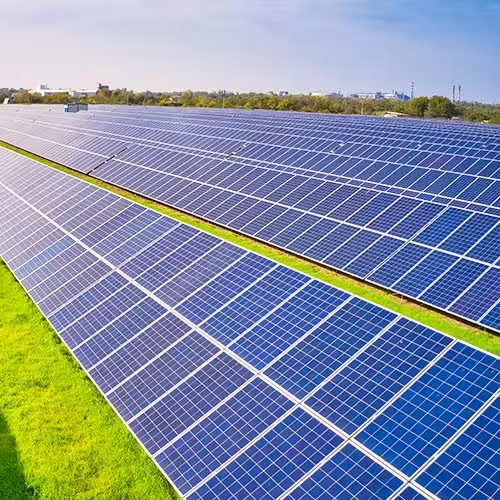
Global Growth in Photovoltaics
The global photovoltaic (PV) market has expanded rapidly, reaching over 150 GW installed capacity in 2023, with an expected CAGR of 8–10% through 2030. Intelligentization—integrating automated assembly, real-time monitoring, and AI predictive analytics—optimizes production efficiency and reduces operational risk.
Smart Construction and Energy Efficiency
The building sector is following a similar trajectory, with intelligent technologies such as BIM, prefabrication, and energy management systems enabling faster, more accurate construction while reducing costs and carbon footprint. The global smart building market is projected to reach $180 billion by 2030, driven by energy efficiency and sustainability regulations.
Policy and Regulatory Influence
Government incentives, renewable energy subsidies, and carbon neutrality targets strongly influence market adoption. Certifications such as LEED and BREEAM reward intelligent solutions, enhancing ROI for both PV and building projects.
Intelligentization in the Photovoltaic Industry
Automation in PV Production
Automated production lines, robotic assembly, and precision soldering reduce defects, increase throughput, and ensure consistent module quality.
Automation minimizes labor dependence, reduces human error, and improves safety standards in factories.
Smart Installation and Monitoring
IoT-enabled systems provide real-time performance tracking, predictive maintenance alerts, and energy optimization insights.
Intelligent monitoring enhances system reliability, prevents energy loss, and extends module lifespan.
Operational and Economic Benefits
- Efficiency Gains: Production throughput improves by 30–40%.
- Cost Reduction: Labor and operational costs decrease significantly.
- Sustainability: Material waste is minimized, contributing to greener operations.
Case Study: European Solar EPC Company
A European EPC firm implemented robotic assembly lines and IoT monitoring in rooftop PV projects. Key results:
- 40% production efficiency increase
- 25% reduction in installation time
- Early fault detection prevented potential energy losses
This demonstrates how intelligentization delivers measurable operational improvements and ROI within 3–4 years.
Intelligentization in the Building Sector
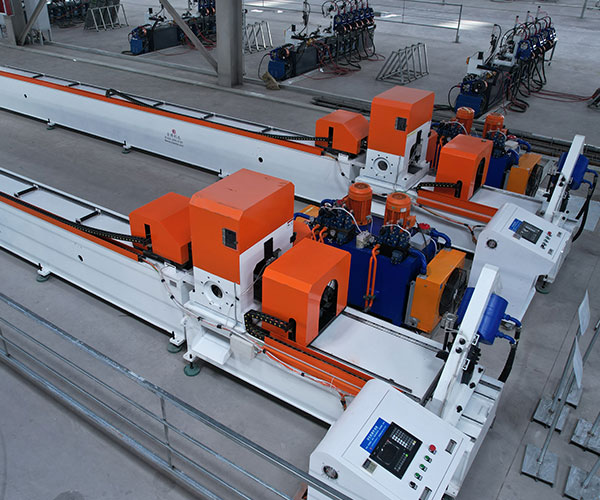
BIM and Prefabrication
BIM integrates architectural, structural, and mechanical planning into a digital model, enabling precise prefabricated components.
Prefabrication reduces construction time, labor costs, and errors while ensuring quality control.
Intelligent Energy Management
Smart energy systems optimize HVAC, lighting, and renewable energy integration. Real-time adjustments reduce energy consumption and improve sustainability metrics.
Case Study: Smart Residential Project
An Asian residential developer applied prefabricated smart modules with integrated energy monitoring:
- 30% reduction in construction time
- 20% cost savings
- Achieved LEED certification
This case highlights how intelligentization benefits cost, efficiency, and environmental compliance.
Technology Updates and Policy-Driven Opportunities
Emerging Technological Trends
- AI-driven predictive analytics for PV performance optimization
- IoT-enabled sensors for real-time monitoring and predictive maintenance
- Robotics for PV panel assembly and construction automation
- Integration of sustainable building materials with intelligent production
Policy-Driven Market Opportunities
- Renewable energy subsidies and tax incentives
- Carbon neutrality targets accelerating intelligent tech adoption
- Green building certifications rewarding intelligent solutions
Companies leveraging both technology and policy incentives achieve higher ROI and competitive advantage.
Parameter-Based Comparative Analysis
To help businesses assess intelligentization options, the following table compares PV and building sector smart upgrades:
| Feature | Photovoltaic Industry | Building Sector | Impact on ROI |
|---|---|---|---|
| Core Technology | Automated panel assembly, IoT monitoring | BIM, prefabrication, energy management | PV ROI: 2–4 yrs; Building ROI: 3–6 yrs |
| Initial Investment | Medium-high | Medium-high | Smart tech adds 10–25% to upfront cost |
| Efficiency Improvement | 30–40% | 25–35% | Faster production & construction reduces costs |
| Policy Incentives | Renewable energy subsidies | Green building certifications | Compliance provides financial & reputational gains |
| Maintenance Reduction | 15–25% | 10–20% | Reduced operational expenditure |
| Scalability | High for large PV projects | Medium-high | Integration complexity varies by project size |
Comparison of Technology Approaches
- Traditional vs Intelligent PV Installation: Intelligent assembly reduces defects by 20–30%, improves module consistency, and shortens installation cycles.
- Conventional Construction vs BIM+Prefabrication: Prefabricated smart modules reduce labor demand, shorten construction duration, and improve quality assurance.
Extended Case Studies
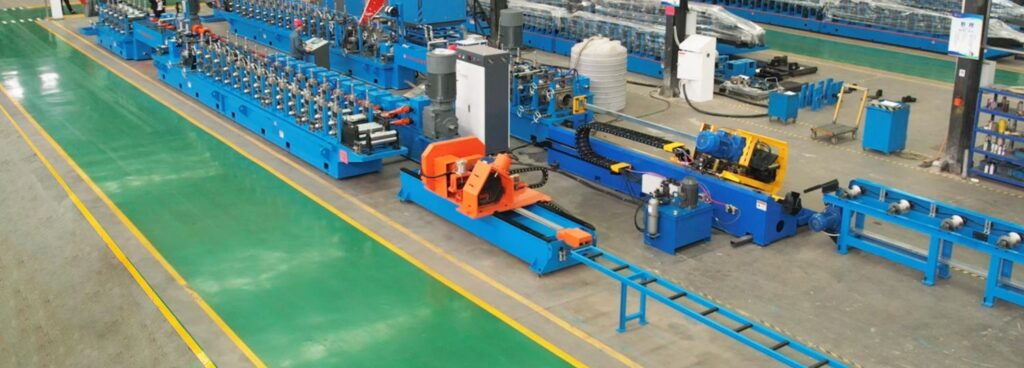
Global Utility-Scale PV Project
A utility-scale solar farm in Spain implemented automated PV assembly lines and IoT-based performance monitoring. Results included:
- 35% efficiency improvement in panel production
- 15% reduction in operational energy loss
- Faster commissioning with reduced project delays
Industrial Smart Building Upgrade
A manufacturing facility in Germany integrated BIM, prefabrication, and automated energy management:
- Reduced construction time by 25%
- Cut operational energy costs by 18%
- Achieved ISO 50001 energy management compliance
Regional Residential Smart Housing Development
In North America, a developer applied prefabricated smart modules with IoT-based energy monitoring:
- 20% faster construction cycles
- 22% energy savings per building
- Improved resident satisfaction and operational efficiency
Conclusion
The intelligentization of the photovoltaic industry and smart building technologies are reshaping renewable energy and construction sectors. Automation, IoT, and AI integration improve efficiency, reduce costs, and ensure compliance with green policies, creating a competitive advantage for early adopters.
Need more insights on intelligentization solutions for your projects? Contact our engineers today to get a tailored consultation and maximize your ROI.
FAQ
What is the intelligentization of the photovoltaic industry?
It integrates automation, IoT, AI, and smart monitoring to optimize production and installation for higher efficiency and reliability.
How much efficiency improvement can intelligent PV production achieve?
Automation and monitoring can increase production efficiency by 30–40%, reduce defects, and lower labor costs.
Are smart building technologies cost-effective for medium-sized projects?
Yes. Energy savings, faster construction, and green certifications provide ROI typically within 3–6 years.
How do government policies influence intelligentization adoption?
Renewable energy subsidies, carbon neutrality targets, and green building certifications incentivize adoption and improve ROI.
Which sector delivers faster ROI: PV or building?
PV projects usually achieve ROI in 2–4 years due to production efficiency gains, while building projects may take 3–6 years.
Can small or mid-sized companies benefit from intelligentization?
Yes. Modular automation and smart monitoring solutions can scale to smaller projects, offering efficiency and cost savings.
What are the main challenges of intelligentization?
High upfront costs, equipment maintenance, workforce training, and data integration are key considerations.
How can intelligentization reduce environmental impact?
By optimizing energy use, minimizing material waste, and integrating renewable energy sources into operations.
Is it necessary to upgrade existing facilities to smart technology immediately?
Gradual upgrades can be effective; combining legacy systems with intelligent modules allows phased implementation and ROI management.
What should companies consider when selecting a technology partner?
Evaluate experience, customization ability, ROI analysis, support services, and integration with existing operations.
If you enjoyed this article on Jinbolida’s smart manufacturing and digital factory expertise, follow us for more insights and updates:
- 📘 Facebook: Stay tuned for our latest smart production line projects → Facebook
- 📱 WhatsApp: Contact us anytime for custom production solutions → Chat Now
- ▶️ YouTube: Watch our automated line demos and real-world applications → YouTube
Let’s keep innovating and shaping the future of smart manufacturing — together! 🚀
 English
  Arabic
  Russian
  Spanish
  French