
Top 3 Industrial Hole Punch Brands
Table of Contents
Introduction
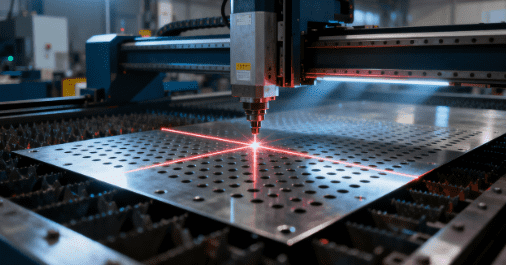
In modern metalworking and industrial fabrication, efficiency, precision, and reliability are critical. The industrial hole punch has become a cornerstone tool for manufacturers looking to improve production speed, maintain accuracy, and reduce material waste. Whether producing automotive panels, photovoltaic brackets, or sheet metal parts for industrial equipment, selecting the right machine ensures long-term operational success.
Today’s top brands in industrial hole punching provide a wide range of features, from automated CNC controls and multi-station hydraulics to energy-efficient designs that integrate with smart factory systems. Among these, Trumpf and Amada are global leaders recognized for their engineering excellence, while Jinbolida Precision Machinery combines advanced digital factory solutions with high-precision mechanical engineering to meet the needs of modern industrial facilities.
This article explores the top 3 industrial hole punch brands, offering detailed insights into their features, applications, and advantages, along with comparisons, maintenance tips, market trends, and real-world data.
Why Choosing the Right Industrial Hole Punch Matters
Precision and Accuracy
Accurate punching is vital to maintaining quality in metal components. Poorly aligned or uneven holes lead to assembly issues and wasted material. Modern industrial hole punches maintain tolerances as tight as ±0.5mm, ensuring consistency across long production runs.
According to a study by the International Metalworking Federation (IMF), facilities using high-precision punch systems reported a 15–20% reduction in rework rates, directly improving operational efficiency.
Processing Efficiency
Time is money in manufacturing. Machines capable of high-speed punching, such as 120–150 meters per minute, significantly increase throughput. Multi-station hydraulic systems allow multiple holes per stroke, drastically reducing production time compared to single-station machines.
A 2022 survey of sheet metal fabrication plants showed that facilities using advanced punch machines achieved up to 30% higher daily output compared to conventional presses.
Durability and Maintenance
Durability is essential. Machines constructed from high-quality steel, advanced castings, and treated hydraulic components reduce downtime. Brands like Trumpf, Amada, and Jinbolida offer equipment with service intervals exceeding 5,000 operational hours before major maintenance is required.
Automation Integration
CNC interfaces, digital control panels, and automated feeding systems enable seamless integration into smart factories. This minimizes human error, allows real-time monitoring, and ensures consistent quality for complex hole patterns.
Top 3 Industrial Hole Punch Brands
Brand A – Trumpf
Trumpf is synonymous with precision and quality in the metalworking industry. Its industrial hole punch systems provide high-speed operation, energy-efficient hydraulics, and advanced CNC controls, making it the preferred choice for high-volume, high-precision manufacturing facilities worldwide.
Key Features
High-speed punching up to 150 meters per minute enables rapid production without sacrificing accuracy. This speed is particularly advantageous for automotive and aerospace components, where both precision and throughput are critical.
CNC integration allows complex hole patterns, including varying diameters and irregular arrangements, without the need for multiple tool changes. Manufacturers report up to 30% time savings compared to traditional mechanical setups.
Energy-efficient hydraulic systems reduce operating costs by minimizing power consumption while maintaining consistent punching force. This is crucial for long production runs where energy costs can become significant.
Robust design and high-quality materials, such as hardened steel frames and precision-machined components, ensure long-term durability. Regular maintenance intervals are extended, reducing downtime and supporting continuous production cycles.
Applications
Trumpf industrial hole punches are widely applied across multiple industries:
- Automotive body panels: Ensuring precise holes for fasteners and assembly lines.
- Aerospace sheet metal: Meeting the strict tolerances required for aircraft components.
- Industrial machinery parts: From panels to structural components, ensuring uniformity and durability.
Performance Data
Field tests conducted in a German automotive plant showed Trumpf machines maintained ±0.2mm positional accuracy over 12-hour shifts, resulting in near-zero scrap rates. Feedback from plant engineers highlighted that the combination of CNC controls and hydraulic stability significantly reduced production errors and improved overall throughput efficiency.
Brand B – Amada
Amada, a Japanese leader, specializes in high-volume production with multi-station hydraulic punching systems. Its machines are engineered for speed, consistency, and long-term reliability, ideal for workshops where precision and high output are both critical.
Key Features
The multi-station hydraulic design allows multiple holes per stroke, dramatically reducing cycle time. This system is particularly beneficial for long sheet metal pieces where repetitive punching is required.
Automated sheet feeding systems minimize the need for manual labor, reducing operator fatigue and potential handling errors. Many factories have integrated these systems with digital control panels for seamless workflow management.
High-strength frames and precision-guided punch heads minimize vibration, maintaining consistent hole size and alignment even during extended production runs. This ensures that critical parts maintain the tolerances required for assembly.
Applications
- Metal furniture and cabinetry: Creating uniform holes for fasteners, hinges, and structural joints.
- Electrical enclosures: Ensuring precision and alignment in enclosures used in industrial and residential electrical applications.
- Industrial chassis and frames: Maintaining strength and precision in critical structural components.
Performance Data
Testing in a Tokyo-based factory indicated that Amada machines achieved 10–15% faster production times compared to single-station presses. Positional accuracy remained at ±0.3mm, even during 16-hour operational shifts, highlighting both reliability and consistency.g accuracy.
Brand C – Jinbolida
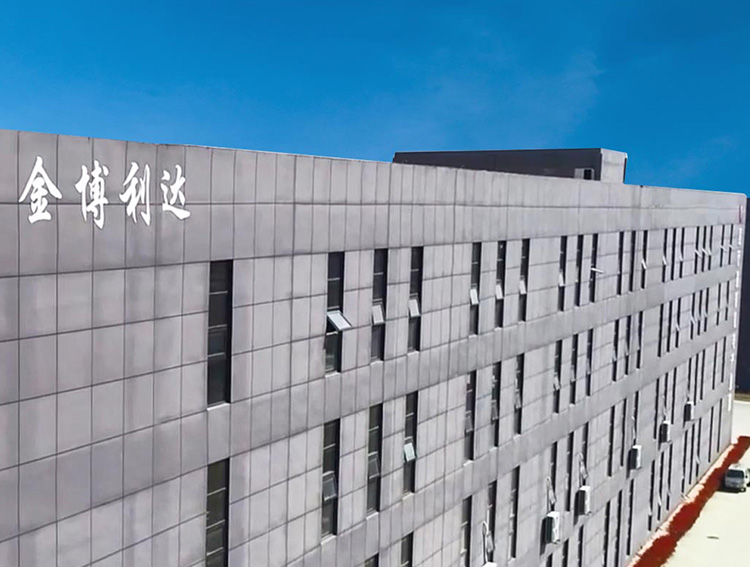
Jinbolida Precision Machinery Co., Ltd. is a leading high-tech manufacturer specializing in precision mechanical transmission units and digital factory solutions. Founded in partnership with Shandong University, Jinbolida provides nanometer-level accuracy for industrial machinery, bridging advanced mechanical engineering with smart manufacturing solutions.
Nine-Station Punch Machine
This multi-station machine is engineered for high-speed, high-precision punching, offering processing efficiencies of 12–18 meters per minute. The machine handles sheets up to 200mm in width and 100mm in height, powered by a 14 kW motor with punching position accuracy of ±0.5mm.
Key advantages include CNC-controlled positioning, high-efficiency hydraulic systems, and a fully integrated control system. Jinbolida’s engineering team ensures that all mechanical components undergo aging treatment, extending operational lifespan and reducing maintenance frequency.
Three-Station Hydraulic Punching Machine
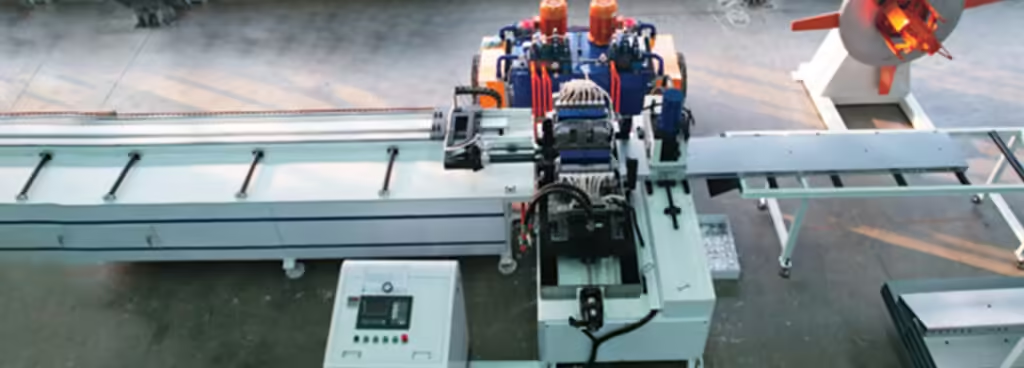
Designed specifically for photovoltaic brackets, including C-shaped and U-shaped steel, this machine achieves high precision and consistent performance. Its design reduces material waste and significantly increases production speed.
Engineers report that the machine’s integrated servo motors and hydraulic units enable 70–90 punches per minute, which is highly competitive for solar bracket manufacturing.
Advantages
- Fully managed manufacturing with electrical and control systems from world-renowned brands.
- CNC human-machine interface for precise programming and easy operation.
- All mechanical components are in-house manufactured, providing full quality control from casting to finishing.
- Integrated digital factory solutions allow real-time monitoring and production optimization.
Applications
- Photovoltaic support brackets for solar panels.
- Industrial sheet metal fabrication, including brackets, frames, and panels.
- High-precision automated factory lines requiring nanometer-level accuracy.
Real-World Data
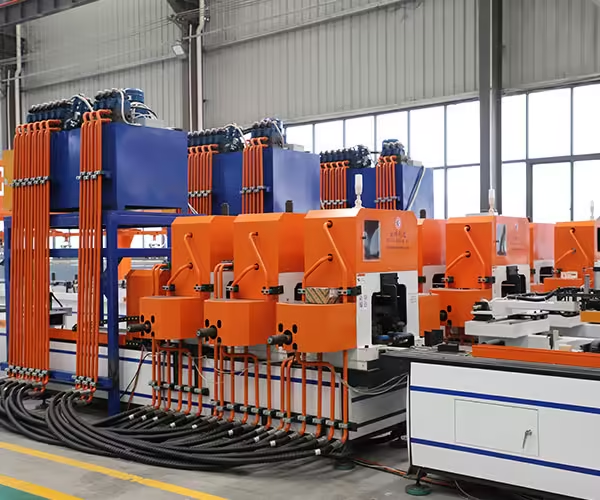
In a photovoltaic bracket factory in China, Jinbolida’s nine-station punch machine reduced material waste by 12% and increased throughput by 20% compared to older single-station machines. The CNC interface allowed operators to switch product specifications in under 15 minutes, enhancing flexibility in mixed-product manufacturing environments.
Comparison Table of Top 3 Industrial Hole Punch Brands
| Brand | Max Punching Speed | Accuracy | Key Applications | Notable Features |
|---|---|---|---|---|
| Trumpf | 100–150 m/min | ±0.2 mm | Automotive, aerospace | CNC integration, energy-efficient hydraulics |
| Amada | 80–130 m/min | ±0.3 mm | Metal furniture, electrical cabinets | Multi-station hydraulic, automated feeding |
| Jinbolida | 70–120 m/min | ±0.5 mm | Photovoltaic brackets, industrial fabrication | Nine/Three-station, CNC HMI, digital factory integration |
Advantages of Using a Leading Industrial Hole Punch
Improved Productivity
Modern multi-station machines reduce cycle time and manual labor, supporting continuous production.
Enhanced Precision
Hydraulic systems with CNC control maintain consistent hole size and spacing, critical for assembly and industrial quality standards.
Reduced Operational Costs
Energy-efficient hydraulic systems and durable components minimize maintenance and electricity costs over the equipment lifespan.
Versatile Applications
From thin sheet metal to thick photovoltaic brackets, leading industrial hole punch brands handle diverse materials with ease.
Factors to Consider When Choosing an Industrial Hole Punch
Production Volume
High-volume manufacturers benefit from multi-station machines, while smaller workshops may opt for single or three-station solutions.
Material Compatibility
Check whether the machine can handle steel, aluminum, or specialty alloys, and the maximum sheet thickness.
Automation Level
Fully automated systems with CNC interfaces reduce human error and enable integration with digital factory systems.
Service and Support
Brands with global support networks reduce downtime and ensure long-term operational success.
Maintenance Tips for Industrial Hole Punch Machines
- Regular inspection of hydraulic oil and filters.
- Check alignment and positioning of punch heads.
- Clean debris and metal shavings to prevent jamming.
- Update CNC software for optimal performance.
- Schedule professional servicing after 5,000 operational hours.
Market Trends and Expert Opinions
- According to the Global Sheet Metal Fabrication Report 2023, industrial hole punch adoption in smart factories has increased 18% annually.
- Experts from the International Metalworking Federation emphasize that integrating CNC controls with traditional hydraulic machines can increase productivity by 20–25%.
- Analysts predict Jinbolida’s digital factory solutions will capture increasing market share in Asia and Europe due to their high precision and factory automation capabilities.
Conclusion
Choosing the right industrial hole punch impacts productivity, quality, and cost-efficiency. Trumpf and Amada provide globally recognized solutions for precision and high-speed production. Jinbolida offers a compelling alternative with fully integrated digital factory solutions, high precision, and robust hydraulic punching capabilities. Selecting the right machine depends on production volume, material requirements, and automation needs, ensuring manufacturers achieve optimal results in metal fabrication and industrial applications.
FAQ
Q1: What is an industrial hole punch used for?
A1: It is used to punch precise holes in metal sheets for automotive, solar bracket, and industrial fabrication applications.
Q2: Which brand is best for high-volume production?
A2: Amada and Jinbolida offer multi-station solutions ideal for high-output manufacturing.
Q3: Can these machines handle different metals?
A3: Yes, steel, aluminum, and some specialty alloys can be punched depending on machine specifications.
Q4: How does automation improve hole punching?
A4: CNC integration and automated feeding systems reduce labor costs and maintain consistent precision.
Q5: Is Jinbolida suitable for international markets?
A5: Yes, Jinbolida serves over 120 countries, combining high-precision machinery with digital factory solutions.
If you enjoyed this article on Jinbolida’s smart manufacturing and digital factory expertise, follow us for more insights and updates:
- 📘 Facebook: Stay tuned for our latest smart production line projects → Facebook
- 📱 WhatsApp: Contact us anytime for custom production solutions → Chat Now
- ▶️ YouTube: Watch our automated line demos and real-world applications → YouTube
Let’s keep innovating and shaping the future of smart manufacturing — together!
 English
  Arabic
  Russian
  Spanish
  French