
Top 4 Sawing Machine Safety Innovations You Should Know
Table of Contents
Introduction
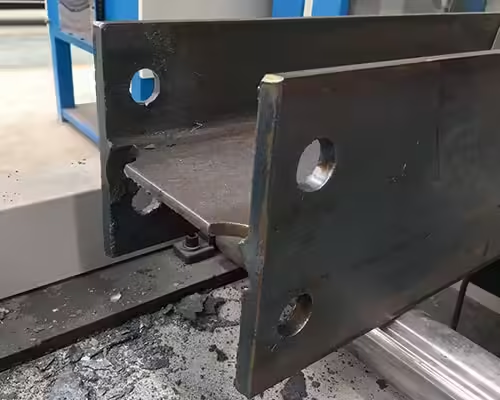
Sawing machines are widely used in industrial and woodworking environments. They are essential tools for cutting various materials efficiently, but they also present significant safety risks. Improper use or outdated safety measures can lead to severe injuries or equipment damage. Over the past decade, manufacturers and safety engineers have developed numerous innovations to enhance operator protection, reduce accidents, and improve overall operational efficiency.
In this article, we will explore four key safety innovations in sawing machines, highlighting how these advancements can protect workers and improve production processes. Understanding these innovations is crucial for plant managers, maintenance personnel, and machine operators to ensure a safe and productive working environment.
Innovation 1: Advanced Blade Guarding Systems in Sawing Machines
Blade guarding is one of the most critical safety features of any sawing machine. Traditional fixed guards can protect operators to some extent, but modern systems have become more sophisticated and responsive.
Features of Advanced Blade Guards
- Automatic retractable guards: Adjust to material thickness and retract safely during operation.
- Sensor-enabled detection: Stops the blade immediately if hands or foreign objects approach the cutting area.
- Transparent materials: Allow operators to see the cut line clearly while maintaining protection.
Benefits
- Reduces the risk of accidental contact with moving blades
- Enhances precision by providing a clear view of the cutting line
- Lowers the incidence of workplace injuries
Implementation Considerations
Operators should be trained on guard adjustment and inspection. Regular maintenance is essential to ensure sensors and mechanical components function correctly.
Innovation 2: Anti-Kickback Mechanisms for Sawing Machines

Kickback is a common and dangerous phenomenon that occurs when the workpiece is caught by the blade and thrown toward the operator. Anti-kickback devices are designed to mitigate this risk.
How Anti-Kickback Works
- Pawl systems: Engage the workpiece to prevent backward motion.
- Friction-based clamps: Secure materials firmly against the table.
- Sensor-driven automatic stops: Some modern machines detect excessive force and stop the blade instantly.
Advantages
- Minimizes injuries caused by sudden material ejection
- Improves control and handling of materials during cutting
- Reduces material damage and waste
Proper alignment and periodic inspection of anti-kickback components are necessary to maintain their effectiveness.
Innovation 3: Smart Sensor Integration in Sawing Machines
Modern sawing machines increasingly incorporate sensors and digital monitoring systems to enhance safety. These technologies provide real-time feedback to operators and help prevent accidents before they occur.
Applications of Smart Sensors
- Blade speed monitoring: Detects abnormal rotation or vibration.
- Proximity sensors: Ensure operators’ hands remain a safe distance from the blade.
- Overload detection: Stops the machine if material binding or motor overload occurs.
Benefits
- Increases operator awareness and responsiveness
- Reduces equipment downtime due to unexpected issues
- Supports preventive maintenance by alerting staff to potential faults
Industry Example
In woodworking factories, smart sensor systems have been shown to reduce blade-related accidents by up to 40% within the first year of implementation.
Innovation 4: Emergency Stop and Safety Interlock Systems
Emergency stop buttons and safety interlocks are critical for immediate intervention during unsafe conditions. These systems have evolved to become faster and more reliable, providing operators with enhanced control.
Key Features
- Multiple accessible stop points: Positioned around the machine for quick reach.
- Interlock systems: Prevent operation if guards are removed or doors are open.
- Automatic shutdown sequences: Some machines power down completely to avoid residual motion risks.
Advantages
- Immediate response to hazardous situations
- Ensures the machine cannot operate under unsafe conditions
- Enhances overall safety compliance in industrial environments
Comparative Table of Sawing Machine Safety Innovations
| Safety Innovation | Key Feature | Safety Benefit | Industrial Application |
|---|---|---|---|
| Advanced Blade Guards | Sensor-enabled retractable guard | Reduces blade contact injuries | Woodworking, metal fabrication |
| Anti-Kickback Mechanisms | Pawl system & friction clamps | Prevents material ejection | Wood cutting, panel sawing |
| Smart Sensor Integration | Proximity & overload detection | Prevents accidents & machine damage | Factories, workshops |
| Emergency Stop & Interlock | Multiple stops & interlocks | Immediate hazard intervention | Industrial production lines |
This table highlights the major safety innovations and their practical applications in industrial settings. Implementing multiple safety features together ensures comprehensive protection for operators.
Additional Considerations for Sawing Machine Safety
While these four innovations are critical, overall safety also depends on other factors:
- Operator Training: Proper instruction in machine use and safety procedures is essential.
- Maintenance Schedule: Regular checks of blades, sensors, and guards prevent malfunctions.
- Material Handling: Correct feeding and support of materials reduce kickback risks.
- Environmental Controls: Adequate lighting, ventilation, and workspace organization enhance operator awareness.
Combining technological innovations with proper operational practices creates a safer and more efficient working environment.
Conclusion
Sawing machine safety is paramount in any industrial or woodworking setting. Advanced blade guarding, anti-kickback systems, smart sensors, and emergency stop mechanisms have revolutionized how operators interact with machinery. These innovations not only reduce accidents but also improve productivity and operational confidence.
Industrial facilities that integrate these safety features, along with operator training and preventive maintenance, can expect a substantial reduction in workplace injuries and an increase in operational efficiency.
FAQ
Q1: How often should safety sensors on a sawing machine be inspected?
A1: Sensors should be inspected weekly and calibrated according to the manufacturer’s guidelines to ensure proper functioning.
Q2: Can anti-kickback devices prevent all accidents?
A2: While highly effective, they should be used in combination with proper operator training and other safety mechanisms for best results.
Q3: Are smart sensors compatible with older sawing machines?
A3: Some systems can be retrofitted, but full compatibility depends on the machine’s electrical and control architecture.
Q4: What maintenance is required for blade guards?
A4: Inspect for cracks, ensure proper sensor operation, and clean regularly to prevent dust buildup that may affect performance.
Q5: Do emergency stops affect production speed?
A5: Properly designed systems allow quick recovery while providing essential protection, so the impact on overall productivity is minimal.
If you enjoyed this article on Jinbolida’s smart manufacturing and digital factory expertise, follow us for more insights and updates:
- 📘 Facebook: Stay tuned for our latest smart production line projects → Facebook
- 📱 WhatsApp: Contact us anytime for custom production solutions → Chat Now
- ▶️ YouTube: Watch our automated line demos and real-world applications → YouTube
Let’s keep innovating and shaping the future of smart manufacturing — together! 🚀
 English
  Arabic
  Russian
  Spanish
  French