
Top 6 Features to Look for in PV Panel Mounting Brackets for Commercial Solar Installations
/ Top 6 Features to Look for in PV Panel Mounting Brackets for Commercial Solar Installations
Table of Contents
Introduction
When considering commercial solar installations, one of the key components that often gets overlooked is the PV panel mounting brackets. These brackets are essential for the effective and secure installation of solar panels, which, in turn, ensures optimal energy production. Understanding which features to look for when choosing the right mounting brackets can greatly enhance the longevity, efficiency, and cost-effectiveness of the entire solar system.
This article will delve into the top six features you should consider when selecting PV panel mounting brackets for commercial solar installations, ensuring your system is both durable and efficient. We’ll also cover common mistakes and provide solutions to help you make an informed decision.
Key Features to Look for in PV Panel Mounting Brackets
Selecting the right PV panel mounting brackets can be a challenging task. The right features are essential to ensure safety, efficiency, and long-term performance. Below are the six most important features to keep in mind:
1.Durability and Corrosion Resistance
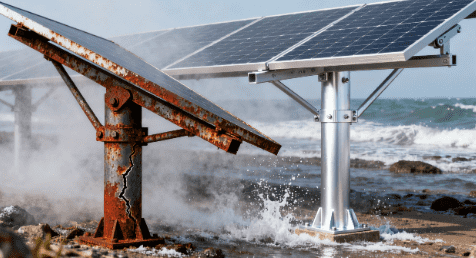
When it comes to commercial solar installations, especially in outdoor environments, durability is paramount. PV panel mounting brackets must withstand various weather conditions, including harsh sun, rain, snow, and extreme temperatures.
To ensure your brackets last over the long term, it’s essential to choose ones made from materials that are corrosion-resistant. Stainless steel, galvanized steel, and aluminum are common materials for mounting brackets, each offering different levels of durability. For areas with high humidity or coastal regions, it’s best to opt for stainless steel brackets that resist corrosion and rust.
Why Durability Matters
- Prevents System Failures: Weak or corroded brackets may fail, causing the entire solar panel system to collapse.
- Cost-Effective: Investing in durable materials minimizes maintenance and replacement costs.
2. Load-Bearing Capacity
Another key feature is the load-bearing capacity of the PV panel mounting brackets. Depending on the size of your panels and the location of the installation, the brackets must be strong enough to support the weight of the panels while also withstanding external forces like wind, snow, or seismic activity.
Ensure the brackets you choose can support the required load capacity without compromising safety. For large-scale commercial solar projects, you might need to use reinforced brackets or adjustable ones to handle higher loads.
Why Load-Bearing Capacity is Crucial
- Safety: Ensures that the panels stay secure and perform well in extreme conditions.
- Energy Efficiency: Properly secured panels reduce the risk of misalignment, improving energy production.
3. Wind Resistance and Structural Stability
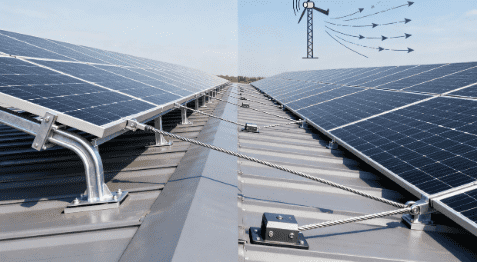
Commercial solar installations are often subject to high winds, especially in regions prone to storms or high gusts. The PV panel mounting brackets need to be designed with wind resistance in mind. Strong brackets will not only support the panels but also maintain their stability in high-wind conditions.
Proper structural stability is achieved by selecting brackets that have been tested for wind load resistance. Look for products that provide a certified wind rating to ensure safety and performance in windy environments.
Why Wind Resistance is Key
- Prevent Damage: Poor wind resistance can cause panels to shift or even become dislodged.
- Long-Term Performance: Ensures the solar installation remains intact, regardless of weather conditions.
4. Material Quality for Heat Resistance
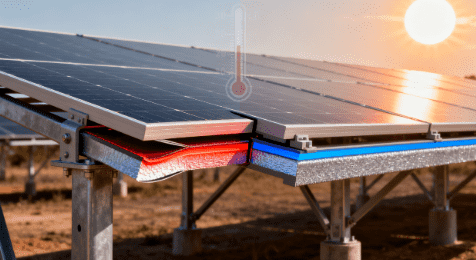
Another critical feature to consider is the heat resistance of the PV panel mounting brackets. Solar panels often generate a significant amount of heat, especially during peak production times. Brackets made from materials that can withstand this heat will prevent thermal expansion or deformation that could potentially damage the panels.
Look for mounting brackets made from aluminum alloys or stainless steel, as these materials can resist high temperatures and won’t warp under extreme conditions.
Why Heat Resistance is Important
- Prevents Warping: Ensures the brackets maintain their shape and function even during hot conditions.
- Improves Solar Efficiency: Reduces the risk of overheating, ensuring optimal panel performance.
5. Flexibility and Adjustability
When designing a solar panel system, you may need to adjust the angle of the panels for optimal sun exposure. PV panel mounting brackets that offer adjustability provide more flexibility, allowing you to change the tilt angle of the panels based on seasonal variations in sunlight.
Adjustable brackets can also simplify the installation process, making it easier to align panels for maximum efficiency. In addition, adjustable mounts allow for easier maintenance and potential upgrades.
Why Flexibility is Beneficial
- Seasonal Optimization: Allows you to adjust the panel tilt for maximum sunlight capture.
- Easier Maintenance: Makes it easier to maintain the system, especially in commercial setups with large numbers of panels.
6. Easy Installation and Maintenance
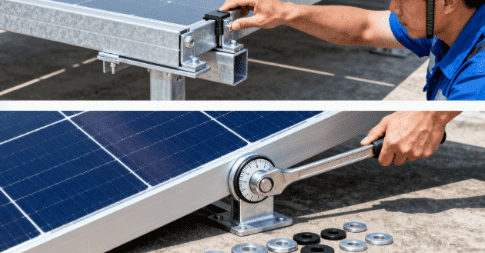
Lastly, the ease of installation and maintenance should be a priority when selecting PV panel mounting brackets. For commercial solar installations, time and labor costs are important considerations. Brackets that are easy to install can significantly reduce overall installation costs, allowing for faster project completion.
Look for brackets that come with clear installation instructions, pre-drilled holes, and easy-to-follow components. Additionally, brackets that require minimal maintenance will save your team time and effort in the long run.
Why Ease of Installation and Maintenance Matters
- Time-Saving: Quick and easy installation reduces downtime and increases efficiency.
- Lower Costs: Minimizes labor costs associated with both installation and future maintenance.
Comparison of Key Features in Different Types of PV Panel Mounting Brackets
| Feature | Fixed Brackets | Adjustable Brackets | Ground-Mounted Brackets | Roof-Mounted Brackets |
|---|---|---|---|---|
| Corrosion Resistance | High (Steel, Aluminum) | High (Aluminum, Stainless Steel) | High (Galvanized Steel) | High (Stainless Steel) |
| Load-Bearing Capacity | Medium | High | High | High |
| Wind Resistance | Low | High | High | Medium |
| Heat Resistance | Medium | High | High | Medium |
| Flexibility | Low | High | Low | Medium |
| Ease of Installation | Easy | Medium | Difficult | Easy |
Conclusion
Selecting the right PV panel mounting brackets is crucial for the performance and longevity of your commercial solar system. By considering key features such as durability, load-bearing capacity, wind resistance, heat resistance, flexibility, and ease of installation, you can ensure your system operates efficiently and remains secure for years to come. Always take the time to evaluate each feature in relation to your unique installation needs and environmental conditions.
FAQ
Q1: What materials are best for PV panel mounting brackets?
A1: Stainless steel, aluminum, and galvanized steel are the best materials for PV panel mounting brackets, offering excellent durability, corrosion resistance, and strength.
Q2: Can I use adjustable brackets for roof-mounted installations?
A2: Yes, adjustable brackets are ideal for roof-mounted installations, as they allow you to optimize the angle of the panels for maximum sun exposure.
Q3: How do I ensure my mounting brackets can withstand high winds?
A3: Choose PV panel mounting brackets with a certified wind resistance rating and ensure they are made from high-strength materials like stainless steel or aluminum.
Q4: Why is it important to have adjustable brackets for commercial solar systems?
A4: Adjustable brackets allow you to change the tilt angle of your solar panels to maximize efficiency, particularly as sun angles change with the seasons.
If you enjoyed this article on Jinbolida’s smart manufacturing and digital factory expertise, follow us for more insights and updates:
- 📘 Facebook: Stay tuned for our latest smart production line projects → Facebook
- 📱 WhatsApp: Contact us anytime for custom production solutions → Chat Now
- ▶️ YouTube: Watch our automated line demos and real-world applications → YouTube
Let’s keep innovating and shaping the future of smart manufacturing — together! 🚀
 English
  Arabic
  Russian
  Spanish
  French