
5 Smart Cold Formed Steel Machine Safety Rules
Key Takeaways
- Learn the 5 most critical safety rules for operating a cold formed steel machine
- Understand why safety matters for high-speed roll forming systems
- Get clear concepts and real-world safety examples
- Compare safety systems and choose the right protective solution
- See actual machine parameters and how they affect safety
- Learn how automation and maintenance reduce accidents and downtime
- Understand how safety improves production efficiency and product quality
- Discover how advanced control systems prevent common failure modes
Table of Contents
Introduction
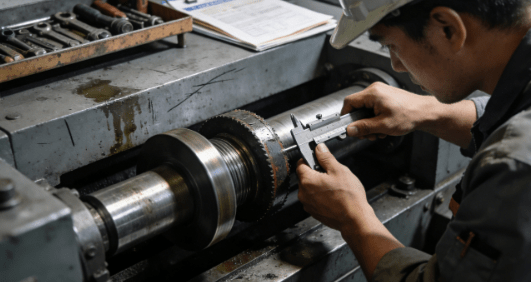
When working with a cold formed steel machine, speed and precision are the selling points—but safety is the foundation. These machines run at high speeds, process heavy steel coils, and apply enormous force. One wrong move can cause severe injury, production stoppage, or costly equipment damage.
According to industry safety reports, roll forming accidents often occur due to improper guarding, lack of lockout procedures, or incorrect feeding methods. In many manufacturing environments, accidents related to roll forming systems account for 20%–30% of total line incidents, especially during maintenance and coil loading.
That’s why smart safety rules are not optional—they are essential for stable production and long-term profitability.
Why Cold Formed Steel Machine Safety Is Unique
A cold formed steel machine is different from ordinary machinery because it combines:
- High speed (up to 45 meters per minute or more)
- High pressure (rollers exert significant force)
- Heavy material (steel coils weighing hundreds to thousands of kilograms)
- Continuous operation (24/7 production lines)
These factors make safety not only a legal requirement but also a production requirement. A safe line reduces downtime, increases yield, and improves product consistency.
Smart Safety Rule 1: Safe Material Handling and Coil Feeding
Why Coil Feeding Safety Matters in Cold Forming
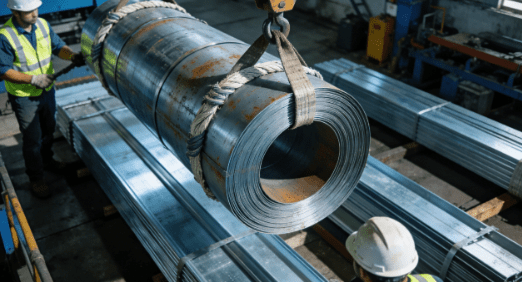
A cold formed steel machine processes heavy steel coils. The coil feeding system determines whether the production is stable and safe. When coils are loaded incorrectly, the entire line can become unstable, leading to sudden coil unspooling or machine jamming.
Concept: Coil Unspooling Risk
Coil unspooling happens when tension control fails or the coil is loaded incorrectly. This can cause a rapid release of steel, creating dangerous projectiles and unpredictable feeding. A proper coil handling system includes coil trolleys, coil brakes, and tension control.
Key Safety Components
- Coil loading crane with safety limit switch
- Tension control system
- Protective guard for uncoiling area
- Coil end detection sensors
Practical Coil Handling Procedures
A safe coil loading procedure typically includes:
- Inspecting coil packaging and edges
- Using a coil trolley to move the coil into position
- Locking the coil in place with a brake system
- Confirming correct alignment before feeding
Real-World Case: Coil Feeding Accident Prevention
In a factory producing L-shaped steel profiles, a coil feeding accident occurred when the coil slipped during loading. After implementing a coil brake and adding a coil alignment guide, the factory reported zero coil-related incidents for 18 months. This proves that simple mechanical upgrades can deliver dramatic safety improvements.
Smart Safety Rule 2: Guarding and Lockout for High-Speed Roll Forming
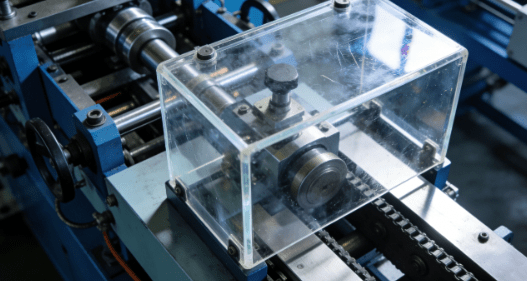
Guarding Is the “Invisible Safety Barrier”
A cold formed steel machine can operate at 45 m/min or higher, and the rollers exert strong pressure. Without proper guarding, operators can be exposed to crushing hazards. Guarding prevents hands and clothing from entering dangerous areas.
Concept: “Point of Operation” Safety
The point of operation is where the steel is shaped by rollers. This is the most dangerous zone. Installing physical barriers and interlocks is essential to prevent accidental entry during operation.
Practical Guarding Measures
- Roller guards
- Emergency stop buttons at multiple positions
- Interlock switches on doors and covers
- Visual warning lights and alarms
Guarding vs Safety Sensors
Guarding is a physical barrier, while safety sensors are a detection method. For maximum safety, both should be used together. Safety sensors can stop the machine when a guard is opened, but the physical barrier prevents direct access.
Smart Safety Rule 3: Control System Safety and Automated Monitoring
Why Automation Improves Safety
Modern cold formed steel machines often feature PLC control systems and HMI touchscreens. Automation not only improves productivity but also reduces human error. When the control system can detect abnormal pressure or speed, it can stop the machine instantly.
Concept: “Safety Interlocks”
Safety interlocks prevent operation if the machine door is open or if the guard is not properly installed. This ensures that the machine cannot run in unsafe conditions.
Smart Safety Features
- Automatic shutdown on overload
- Real-time error alerts
- Production data recording (for safety analysis)
- Alarm log and historical incident tracking
Example: PLC Safety Logic in Action
In a W-shaped roll forming line, the PLC is programmed to stop the machine if:
- Roller temperature exceeds threshold
- Material feed rate drops below set value
- Tension control fails
- Emergency stop is triggered
This logic reduces the risk of catastrophic failure.
Smart Safety Rule 4: Emergency Procedures and Operator Training
Why Training Is a Safety Investment
Many accidents occur due to inadequate training. A safe factory is not just about machines—it’s about people. Operators should understand how to stop the machine, what to do when the coil jams, and how to perform lockout/tagout procedures.
Concept: “Lockout/Tagout”
Lockout/Tagout means isolating the machine from power sources before maintenance. This prevents accidental start-ups and protects maintenance staff.
Training Requirements
- Regular safety training sessions
- Clear SOPs for feeding, stopping, and maintenance
- Safety signs and visual warnings
- Emergency drill simulations
Real-Life Example: Training Reduces Accidents
A factory running Z-shaped steel production had a high rate of minor injuries. After a training program that included lockout/tagout and hazard recognition, the incident rate dropped by 38% within six months.
Smart Safety Rule 5: Routine Maintenance and Wear Monitoring
Why Maintenance Prevents Accidents
A cold formed steel machine runs under high pressure and constant friction. If the rollers, bearings, or gears wear out, they can cause sudden failure. Regular maintenance reduces risk and ensures consistent production quality.
Concept: “Wear Monitoring”
Wear monitoring means checking roller surface condition, lubrication, and alignment. A small misalignment can cause serious production issues and safety hazards.
Maintenance Checklist
- Roller surface inspection
- Lubrication of bearings
- Checking gear alignment
- Replacing worn parts before failure
- Cleaning debris and dust buildup
Example: Roller Wear Causing Safety Issues
A factory using an L-shaped roll forming machine reported frequent shutdowns due to roller wear. After switching to high-hardness alloy rollers with surface hardening treatment, they improved reliability and reduced the risk of roller failure.
Advanced Safety Concepts for Cold Formed Steel Machines
Concept: “Machine Safety Level” (SIL / PL)
Industrial safety standards often use safety integrity levels (SIL) or performance levels (PL) to measure reliability. Higher levels mean more reliable safety systems. For high-speed roll forming lines, a PLd or PLe level safety system is recommended.
Concept: “Human-Machine Interface Safety”
The HMI should be designed for safe operation:
- Clear start/stop buttons
- Confirmed actions for dangerous operations
- Password protection for settings
- Emergency stop override protocols
Comparing Safety Systems: Manual vs Automated
Manual Safety Systems
Manual safety relies on operator discipline and human control. It is suitable for small-scale production, but it has higher risk of human error.
Automated Safety Systems
Automated systems use PLC monitoring, interlocks, and emergency stops. They are ideal for high-speed production and offer better reliability.
Safety System Comparison Table
| Safety System | Advantages | Disadvantages | Best Use Case |
|---|---|---|---|
| Manual Guarding | Simple, low cost | Higher human error risk | Small-scale lines |
| Interlock Guarding | Prevents unsafe operation | Requires maintenance | Medium-large lines |
| Automated PLC Safety | High reliability | Higher cost | High-speed production |
| Dual-channel Safety | Redundant protection | Complex setup | Critical safety needs |
Safety in Different Roll Forming Applications
L-shaped Steel Roll Forming Safety

L-shaped profiles often involve large coil widths and high forming force. The key safety risks include:
- Coil loading hazards
- Roller pinch points
- High torque and stress
W-shaped and Z-shaped Roll Forming Safety


W-shaped and Z-shaped lines often involve multiple forming stations. Safety challenges include:
- Multi-stage roll alignment
- Material handling complexity
- Higher automation requirements
Case Study: Safety Upgrade in a 45 m/min Production Line
A factory producing Z-shaped steel profiles at 45 m/min had frequent stoppages due to coil misalignment and tension failure. After upgrading:
- Coil tension control
- Interlock guarding
- PLC automated shutdown
- Regular maintenance plan
They achieved:
- 18% reduction in downtime
- 25% reduction in defect rate
- Zero major safety incidents for 24 months
This demonstrates that safety upgrades also drive productivity.
Safety Standards and Compliance
International Safety Standards Impacting Cold Formed Steel Machines
- ISO 12100 (Safety of machinery – risk assessment)
- ISO 13849 (Safety-related parts of control systems)
- CE machinery directive (Europe)
- OSHA safety regulations (US)
Why Compliance Improves Business Value
Compliance is not only legal—it increases:
- Customer trust
- Production reliability
- International market access
Cost of Ignoring Safety: Hidden Losses
Ignoring safety can cause:
- Production stoppage
- Equipment damage
- Worker injury and compensation
- Reputation loss
- Higher insurance premiums
Even if a factory avoids accidents, poor safety practices often cause lower efficiency and higher defect rates.
Conclusion
A cold formed steel machine is a powerful tool, but it requires smart safety rules to ensure stable and efficient operation. By focusing on coil handling, guarding, automation, training, and maintenance, you can reduce accidents, improve product quality, and increase production uptime.
Smart safety is not a cost—it is a competitive advantage.
FAQ
What makes cold formed steel machine safety different from other machinery?
A cold formed steel machine combines high speed, heavy loads, and strong pressure. Its risk factors include coil unspooling, roller pinch points, and high torque. That’s why safety must be built into both hardware and process.
How can I reduce accidents in roll forming lines?
You can reduce accidents by implementing interlocks, installing guards, using automated monitoring, and ensuring regular maintenance. Operator training is also essential.
Do safety interlocks slow down production?
No. Modern safety systems are designed to stop the machine instantly when needed and resume quickly after fixing issues. This improves overall efficiency by preventing downtime caused by accidents.
How often should a cold formed steel machine be inspected?
A common rule is daily quick checks (guards, sensors, lubrication) and monthly detailed inspections (rollers, bearings, alignment).
What is the safest way to handle steel coils?
Use a proper coil handling system, including cranes, coil trolleys, and tension control. Always ensure the coil is fixed securely before feeding.
Can safety automation reduce defects?
Yes. Automation improves process stability, reduces human error, and ensures consistent forming parameters, which reduces defects and improves product quality.
If you enjoyed this article on Jinbolida’s smart manufacturing and digital factory expertise, follow us for more insights and updates:
- 📘 Facebook: Stay tuned for our latest smart production line projects → Facebook
- 📱 WhatsApp: Contact us anytime for custom production solutions → Chat Now
- ▶️ YouTube: Watch our automated line demos and real-world applications → YouTube
Let’s keep innovating and shaping the future of smart manufacturing — together!
 English
  Arabic
  Russian
  Spanish
  French