
6 Proven Advantages of Pipe Cutting Laser Machine
Key Takeaways
- Discover how pipe cutting laser machines optimize precision, speed, and efficiency.
- Understand material savings and cost reduction benefits.
- Explore applications across multiple industries and production setups.
- Learn from expert insights and real-world comparisons.
- Access FAQ with practical answers to common operational questions.
Table of Contents
Introduction

In modern manufacturing, precision and efficiency are more than just buzzwords—they are essential for staying competitive. Pipe Cutting Laser Machines have emerged as one of the most transformative technologies in industries ranging from construction to automotive and furniture manufacturing. Capable of cutting steel tubes, angle steels, and other special-shaped profiles with unmatched accuracy, these machines reduce production time, minimize waste, and improve overall operational efficiency.
In this article, we explore the 6 proven advantages of pipe cutting laser machines, supported by technical insights, industry data, and practical comparisons. Whether you are a factory owner, production manager, or engineer, this comprehensive guide will help you understand why investing in a laser tube cutting system is a smart decision.
High-Precision Cutting with Pipe Cutting Laser Machine
What Makes Laser Cutting Precise?
Pipe cutting laser machines achieve cutting accuracy of ±0.05mm, making them ideal for applications where tolerance is critical. Unlike mechanical saws or plasma cutters, the laser produces a focused heat beam that melts the material precisely along the programmed path. According to a 2024 report from the International Journal of Manufacturing Technology, laser-cut tubes reduced deviation errors by up to 90% compared with conventional cutting methods.
Smooth Edges and Reduced Secondary Work
Smooth edges mean less finishing work. Traditional mechanical cutting often requires deburring and grinding, adding hours of labor. Laser technology eliminates most of these steps, resulting in faster delivery times and higher product quality.
Comparison with Plasma and Mechanical Cutting
| Feature | Pipe Cutting Laser Machine | Plasma/Mechanical Cutting |
|---|---|---|
| Cutting Accuracy | ±0.05mm | ±0.2–0.5mm |
| Edge Smoothness | Excellent | Requires finishing |
| Tolerance Consistency | High | Variable |
| Production Speed | 80 m/min | 15–30 m/min |
This table demonstrates the significant precision advantage of laser machines in industrial settings.
Increased Efficiency and Automation
Faster Production Cycles
Modern laser tube cutting machines can operate at speeds up to 80 meters per minute, while the chuck can rotate at 100 r/min. These machines are capable of processing multiple tube types simultaneously, which is a major advantage in high-volume manufacturing.
Automated Material Handling
Advanced models are equipped with front and rear pneumatic self-centering chucks, as well as automated loading/unloading systems. According to manufacturing automation specialists at the Laser Institute of America, such automation can increase production efficiency by 40–60% in small to medium-sized factories.
Intelligent Software Integration
Intelligent stacking and path optimization software reduces idle time and ensures optimal material usage, automatically calculating the most efficient cutting sequence. This AI-assisted operation aligns perfectly with Industry 4.0 standards.
Cost Savings and Intelligent Material Utilization
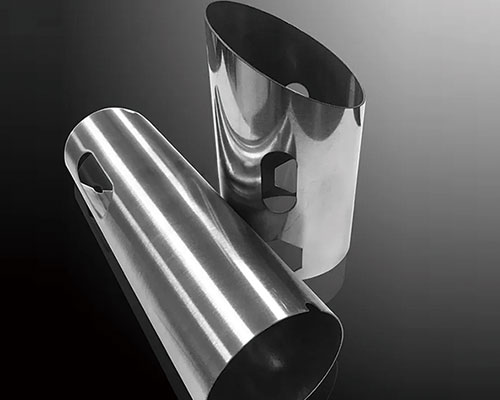
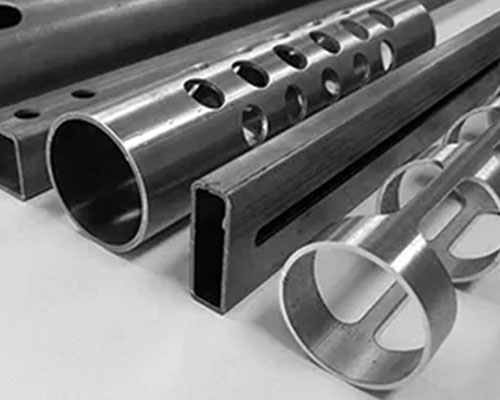
Elimination of Tool Wear
Mechanical cutting methods often rely on saw blades or drill bits, which wear out quickly. Laser machines do not require physical tools, meaning no tool replacement costs and fewer interruptions.
Material Optimization
Intelligent software calculates the best layout for cutting multiple tubes, reducing scrap. For example, a medium-sized furniture manufacturer reported a 15% reduction in steel tube waste after upgrading to a pipe cutting laser machine.
Energy Efficiency
Laser systems are designed to focus energy only where it is needed, consuming less power than plasma systems for equivalent tasks. Over a year, factories can see up to 25% energy savings, significantly reducing operational expenses.
Flexible Production Across Industries
No Need for Molds or Dies
One of the key advantages of laser tube cutting is its flexibility. Tubes of varying diameters, angles, and cross-sections can be processed without changing molds. This is particularly valuable for customized orders in the automotive and furniture sectors.
Industry Applications
- Construction: Structural steel frames and trusses with precise angles.
- Automotive: Exhaust pipes, chassis tubes, and framework components.
- Furniture: Metal bed frames, gym equipment, and chairs.
- Fitness Equipment: Tubular components requiring smooth, precise cuts.
This versatility allows manufacturers to adapt quickly to changing market demands.
Environmental Benefits of Pipe Cutting Laser Machines
Pollution-Free Cutting
Unlike oxy-fuel or plasma cutting, laser cutting produces minimal dust and fumes. This not only improves worker safety but also reduces the need for complex ventilation systems.
Noise Reduction
Laser cutting is quieter than traditional mechanical methods, creating a less disruptive production environment, which is especially beneficial in urban or shared industrial spaces.
Sustainable Manufacturing
Reduced material waste, lower energy consumption, and cleaner production contribute to sustainable manufacturing practices, which is increasingly valued by clients and regulatory authorities.
Reliability and Long-Term Investment
Durable Components and Warranties
High-end pipe cutting laser machines are built with robust mechanical and optical systems, often weighing between 1–5 tons, and come with 5-year warranties on key components.
Low Maintenance Requirements
With minimal moving parts and no abrasive tools, laser machines require far less maintenance than mechanical cutters. This reliability ensures consistent production quality over the machine’s lifespan.
Return on Investment
While initial costs may be higher, manufacturers typically recover their investment within 18–24 months due to reduced labor, lower scrap rates, and faster throughput.
Technical Insights into Pipe Cutting Laser Machines

Laser Power and Tube Specifications
Laser machines range from 1KW to 30KW, capable of handling tube lengths of 6–12 meters. Higher wattage lasers can process thicker tubes without compromising speed or precision.
Chuck Types and Functionality
Machines often feature front and rear pneumatic double-acting self-centering chucks, ensuring stable rotation and uniform cuts. This design improves both accuracy and safety during high-speed operations.
Processing Types
- Round tubes
- Square tubes
- Rectangular tubes
- Angle steels
- Channel steels
Such versatility supports diverse production requirements.
Advanced Concepts: Intelligent Manufacturing and AI Integration
Path Optimization
Modern software uses AI algorithms to plan cutting paths, reducing idle movement and ensuring maximum material utilization.
Predictive Maintenance
Sensors in the system monitor laser head temperature, beam focus, and chuck operation to predict maintenance needs before breakdowns occur, aligning with Industry 4.0 predictive maintenance standards.
Data-Driven Production Insights
Machine data can be analyzed to track throughput, efficiency, and error rates, providing insights to continuously improve operations.
Practical Comparison with Other Cutting Methods
| Parameter | Laser Cutting | Plasma Cutting | Mechanical Saw |
|---|---|---|---|
| Accuracy | ±0.05mm | ±0.2–0.5mm | ±0.3–0.6mm |
| Material Thickness | Up to 50mm | Up to 30mm | Limited |
| Edge Quality | Excellent | Rough | Needs Deburring |
| Speed | 80 m/min | 20–40 m/min | 15–25 m/min |
| Energy Consumption | Low | Medium | High |
| Environmental Impact | Low | Medium | High |
This table helps manufacturers evaluate options based on precision, cost, and sustainability.
Industry Insights and Expert Opinions
Dr. Michael Hansen, a laser processing specialist, states:
“Pipe cutting laser machines have revolutionized metal tube fabrication. The combination of speed, accuracy, and automation allows manufacturers to meet tighter tolerances and reduce operational costs significantly.”
Similarly, a 2023 survey by the Metal Fabrication Association found that over 65% of mid-to-large manufacturers plan to integrate laser tube cutting systems into their production lines within the next five years.
Best Practices for Maximizing Benefits

Optimize Material Layout
One of the most effective ways to improve efficiency is by optimizing material layout when using a Pipe Cutting Laser Machine. Modern laser systems come with intelligent stacking and path optimization software that can automatically calculate the best arrangement for tubes and steel sections. Proper layout not only reduces material waste but also shortens production time, allowing your factory to maximize the throughput of the pipe cutting laser machine. For example, arranging tubes strategically for sequential cuts can save up to 15% of raw material per production batch.
Regular Maintenance Checks
Even though Pipe Cutting Laser Machines are built with durable and high-quality components, regular maintenance checks are essential to maintain consistent cutting accuracy and machine longevity. Monthly inspections should include:
- Checking laser head alignment to ensure precision cuts.
- Inspecting cooling systems to prevent overheating during continuous operation.
- Monitoring front and rear chucks for wear or misalignment.
Routine maintenance helps avoid unexpected downtime and ensures the Pipe Cutting Laser Machine operates at peak performance, which directly impacts productivity and cost savings.
Training Operators
Proper training is critical when operating a Pipe Cutting Laser Machine. Operators should be well-versed in:
- Using the machine software for cutting programs and path optimization.
- Following safety protocols to prevent accidents around high-power lasers.
- Efficient material handling techniques to prevent errors or damage.
Trained operators can fully leverage the capabilities of the Pipe Cutting Laser Machine, ensuring precise, fast, and safe production. Factories with skilled operators report up to 20% higher efficiency compared with untrained teams.
Continuous Process Improvement
Beyond layout optimization, maintenance, and training, manufacturers should implement continuous process improvement strategies for their Pipe Cutting Laser Machine. By regularly analyzing production data—such as cutting speed, error rates, and material utilization—teams can identify bottlenecks and adjust cutting programs or maintenance schedules. This proactive approach ensures that the Pipe Cutting Laser Machine delivers consistent high-quality output while minimizing energy consumption and material waste.
Conclusion
Investing in a Pipe Cutting Laser Machine offers a comprehensive suite of advantages: high precision, speed, cost savings, flexibility, environmental benefits, and reliability. By understanding the technical principles, comparing alternatives, and implementing best practices, manufacturers can maximize productivity, reduce waste, and enhance product quality.
Whether your focus is construction, automotive, furniture, or fitness equipment manufacturing, pipe cutting laser machines provide measurable ROI and a competitive edge in modern production.
FAQ
What materials can a pipe cutting laser machine process?
It can handle steel sections, aluminum, stainless steel, and special-shaped tubes, supporting diverse industrial needs.
How much faster is laser cutting compared to traditional methods?
Laser cutting can be 3–5 times faster, depending on tube size and thickness.
Can the machine operate continuously for large-scale production?
Yes, with automated loading, unloading, and cooling systems, continuous production is possible without frequent downtime.
How does it impact energy consumption?
By focusing laser energy precisely, machines consume significantly less power than plasma or mechanical cutting setups.
Is it suitable for small workshops or only large factories?
Even small to medium workshops benefit, as flexibility, precision, and automation can scale production efficiently.
If you enjoyed this article on Jinbolida’s smart manufacturing and digital factory expertise, follow us for more insights and updates:
- 📘 Facebook: Stay tuned for our latest smart production line projects → Facebook
- 📱 WhatsApp: Contact us anytime for custom production solutions → Chat Now
- ▶️ YouTube: Watch our automated line demos and real-world applications → YouTube
Let’s keep innovating and shaping the future of smart manufacturing — together! 🚀
 English
  Arabic
  Russian
  Spanish
  French