
Laser Metal Cutting Machine Guide: Types, Features, and Applications
In modern metal fabrication, manufacturers often struggle with slow cutting speeds, inconsistent precision, and high material waste when using traditional mechanical methods. These challenges not only increase production costs but also limit the ability to create complex, high-quality parts. A laser metal cutting machine addresses these pain points by delivering high-speed, micron-level accuracy and versatile material compatibility, making it an essential solution for automotive, industrial, and sheet metal applications.
Table of Contents
Introduction
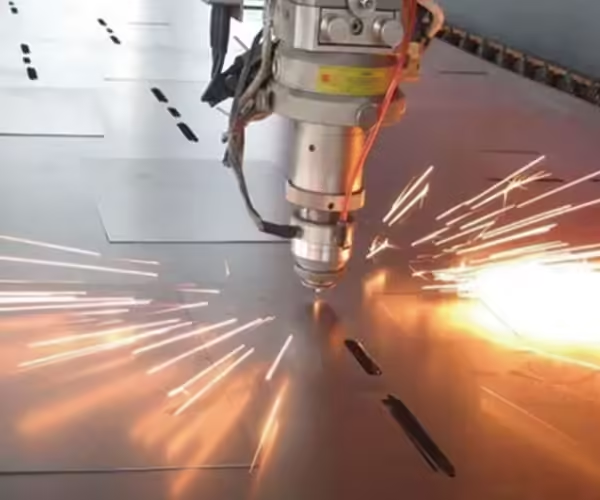
What is a Laser Metal Cutting Machine?
A laser metal cutting machine uses concentrated laser beams to cut, engrave, or punch metal and non-metal plates. It performs non-contact processing, producing smooth edges with minimal material deformation. Precision is typically at the micron level, making it ideal for detailed or complex designs.
Real-World Application Case
A major automotive manufacturer recently upgraded its production line with the Steel Plate Laser Cutting Machine from Shandong Jinbolida. Before the upgrade, traditional mechanical cutting caused slower throughput and inconsistent quality. With the new system, cutting accuracy reached ±0.05mm, production efficiency increased, and material waste was significantly reduced.
Importance of Laser Metal Cutting Machines
Modern manufacturing demands both precision and speed. Laser cutting machines provide a combination of high accuracy, fast processing, and flexibility that traditional methods cannot achieve, making them essential in industries like automotive, industrial fabrication, and sheet metal processing.
Types of Laser Metal Cutting Machines

Fiber Laser Cutting Machines
Fiber lasers are suitable for thin to medium metal sheets. They offer high efficiency and low operating costs. These machines are widely used in mass production where micron-level precision is required.
CO₂ Laser Cutting Machines
CO₂ lasers are ideal for thicker metal sheets and certain non-metal materials. They maintain consistent cutting quality over long runs and are preferred for industrial applications where robustness is critical.
Solid-State / YAG Laser Cutting Machines
These machines are typically lower-power and best suited for precision cutting of small parts. They are common in industries that demand high detail, such as electronics and medical device manufacturing.
Steel Plate Laser Cutting Machines
Designed for large-scale metal processing, these machines support customizable floor space and cutting range. They are CNC-controlled and ideal for heavy industrial applications and automotive components.
Working Principle and Key Features
Laser Cutting Mechanism
The laser beam melts, vaporizes, or burns the material, while auxiliary gases like air, oxygen, or nitrogen remove molten debris. This ensures clean, precise cuts with minimal heat-affected zones.
Key Advantages of Jinbolida Steel Plate Laser Cutting Machines
High Precision: Achieves ±0.05mm cutting accuracy and smooth, burr-free edges.
Repeatability: Consistent results across large production batches (±0.03mm).
Efficiency: Cuts faster than mechanical methods, suitable for complex designs.
Material Compatibility: Handles various metals and non-metals without mold changes.
Smart Manufacturing: Integrates with digital design and automation for flexible production.
Eco-Friendly: Minimal waste and no contamination, supporting sustainable manufacturing trends.
Applications of Laser Metal Cutting Machines
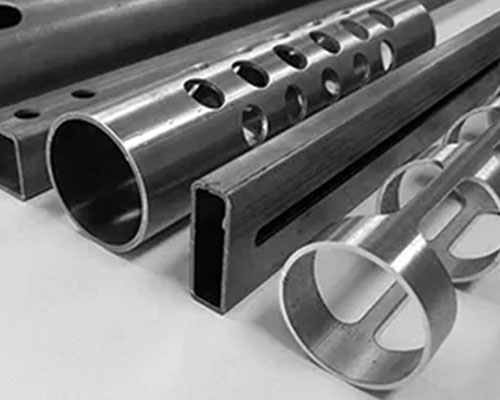
Automotive Industry
Used for car body panels, exhaust systems, and structural components, these machines ensure precise edges and smooth finishes for assembly.
Sheet Metal Fabrication
Ideal for HVAC components, machinery housings, and industrial sheet metal parts. Laser cutting allows for small-batch or mass production without compromising quality.
Advertising and Decorative Industries
Capable of producing signage, decorative metal letters, and artistic designs with high precision, even for complex geometries.
Industrial Manufacturing
Handles high-volume precision parts, such as molds, machine components, and assembly line parts, providing reliable and repeatable results.
Comparison and Selection Guide
Fiber Laser vs CO₂ Laser
Fiber lasers excel at thin to medium sheets, providing high efficiency and low maintenance. CO₂ lasers are more suitable for thick sheets or mixed-material applications where consistent quality is needed.
Fixed vs Gantry Steel Plate Laser Cutting Machines
Gantry systems are ideal for high-volume industrial production, offering multi-axis control. Fixed CNC steel plate cutters are more flexible for customizable floor areas and specific part sizes.
Choosing the Right Laser Metal Cutting Machine
Selection depends on material type, sheet thickness, production volume, and budget. Consider maintenance, automation level, and integration with digital factory systems for long-term efficiency.
Maintenance and Safety

Routine Maintenance
Inspect laser optics, motion systems, and cooling components regularly. Clean cutting areas and remove debris to prevent blockages or fires. Check auxiliary gas supply for stable cutting quality.
Safety Guidelines
Use protective eyewear and shielding. Ensure emergency stop buttons and interlocks are functional. Manage fumes and debris properly to protect workers and equipment.
Future Trends
Smart and Automated Systems
Integration with robotics, CNC, and digital factory platforms allows fully automated, high-efficiency production.
Higher-Power Fiber Lasers
Advancements in fiber laser technology enable faster speeds, thicker material processing, and reduced energy consumption.
Hybrid Processing
Combining laser cutting with bending, welding, or engraving streamlines production and allows multi-step processes in one system.
Sustainable Manufacturing
Energy-efficient lasers, minimal waste, and environmentally friendly auxiliary gases support green manufacturing initiatives.
Conclusion
A laser metal cutting machine is a cornerstone of modern manufacturing, providing precision, efficiency, and flexibility. Jinbolida’s steel plate laser cutters deliver high accuracy, wide material compatibility, and intelligent automation, making them ideal for automotive, industrial, and sheet metal applications. Selecting the right system ensures enhanced productivity, lower costs, and high-quality results in a competitive market.
FAQ
What types of metal can a laser cutting machine process?
Laser metal cutting machines can handle carbon steel, alloy steel, stainless steel, aluminum, copper, and certain non-metal plates, depending on the laser type.
How thick can a 20KW fiber laser cut?
A 20KW fiber laser can efficiently cut metal plates up to several centimeters thick, with precise edges and minimal heat-affected zones, depending on material density.
What’s the difference between fiber and CO₂ lasers for sheet metal?
Fiber lasers offer higher speed and lower maintenance, suitable for thin to medium sheets. CO₂ lasers work well for thicker materials and some non-metals but may require more upkeep.
How precise is the Jinbolida Steel Plate Laser Cutting Machine?
The machine achieves ±0.05mm cutting accuracy and ±0.03mm repeatability, ensuring consistent results even in mass production environments.
Can the machine handle complex shapes for automotive parts?
Yes, CNC-controlled laser cutting allows intricate shapes and patterns without additional tooling, making it ideal for car panels, brackets, and custom parts.
How often should maintenance be performed?
Routine inspections are recommended weekly for optics and motion systems, with thorough maintenance quarterly. Regular cleaning of the cutting area and checking gas pressure ensures optimal performance.
How customizable is the floor area and cutting range?
The Jinbolida steel plate laser cutters support customizable floor areas and plate lengths up to 24 meters, accommodating a variety of industrial setups.
How does automation improve production efficiency?
Automated CNC systems reduce manual intervention, improve cutting accuracy, and enable continuous operation, significantly increasing throughput and reducing labor costs.
Can the laser cutting machine process non-metal sheets?
Yes, depending on the laser type, materials like acrylic, plastics, or composite sheets can be processed without mold changes, adding versatility to the production line.
If you enjoyed this article on Jinbolida’s smart manufacturing and digital factory expertise, follow us for more insights and updates:
- 📘 Facebook: Stay tuned for our latest smart production line projects → Facebook
- 📱 WhatsApp: Contact us anytime for custom production solutions → Chat Now
- ▶️ YouTube: Watch our automated line demos and real-world applications → YouTube
Let’s keep innovating and shaping the future of smart manufacturing — together! 🚀
 English
  Arabic
  Russian
  Spanish
  French